

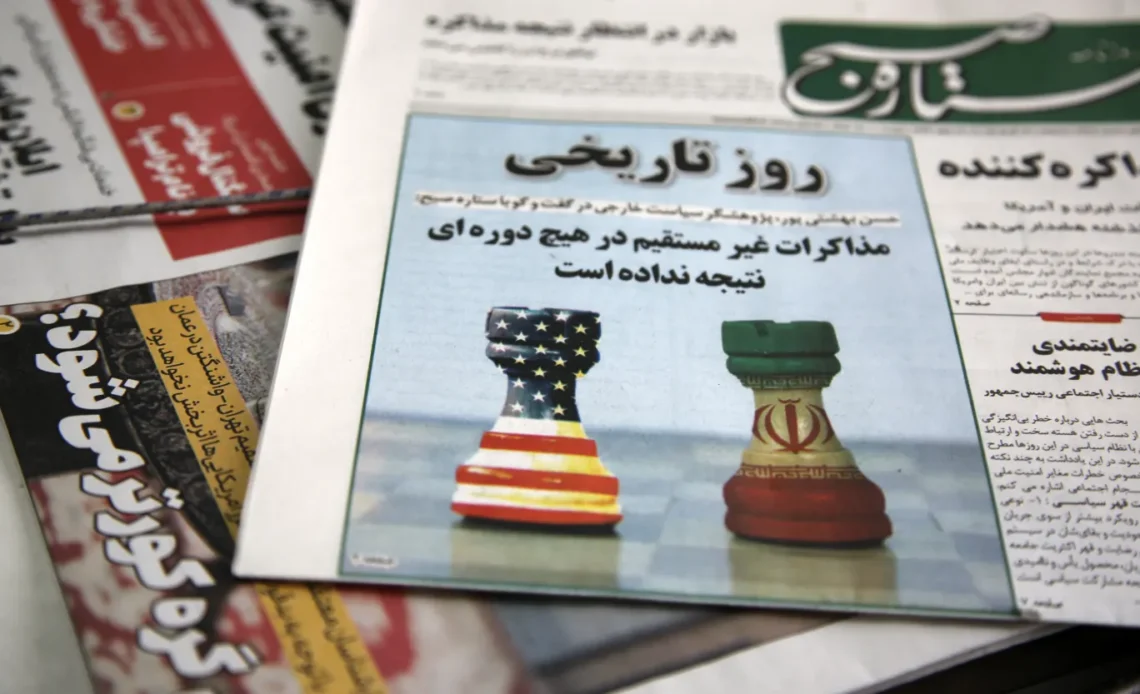
A New Chapter or Just More Tension? U.S. and Iran Return to the Table
The decades-long nuclear standoff between the United States and Iran may be heading for a critical turning point.
This Saturday, Washington and Tehran will return to indirect talks in Rome, with mediators from Oman once again playing the go-between. The goal? To strike a new nuclear agreement — and avoid the looming threat of military conflict.
What makes this round especially tense is the shadow of former President Donald Trump, who has signaled he’s ready to take a much harder stance if diplomacy fails. That includes the possibility of military action.
This is more than just a diplomatic dance — it could decide whether the region edges closer to peace or plunges into a new crisis.
What’s Going Down in Rome?
Second Round of Talks — And This Time It’s Serious
The talks in Rome follow a first round held last week in Muscat, Oman. Both sides called those initial discussions “productive,” a rare bit of shared optimism in what has long been a bitter rivalry.
This time, the conversation continues — still indirect, still delicate — but with rising stakes.
Iran’s Foreign Minister Abbas Araqchi is set to represent Tehran, while Trump’s Middle East envoy, Steve Witkoff, will speak for the U.S., through Omani mediators. The choice of Rome as the venue reflects both sides’ desire to keep the setting neutral and focused purely on business.
What Does the U.S. Want?
Washington’s top priority is clear: Iran must halt its uranium enrichment program.
U.S. officials believe Iran is getting dangerously close to developing a nuclear weapon, a claim Iran continues to deny. For the Biden administration and possibly a returning Trump presidency, limiting Tehran’s ability to enrich uranium is non-negotiable.
The White House is also pushing for stronger inspections, tighter controls, and a longer-term agreement than the 2015 deal Trump tore up during his first term in office.
Where Does Iran Stand?
Cautious Optimism — With a Warning
Iran has been careful to manage expectations. While some Iranian voices hinted recently that sanctions might soon be lifted, top leaders have walked that back.
Supreme Leader Ayatollah Ali Khamenei, the final word on major policy decisions, said this week he is “neither overly optimistic nor pessimistic” about the talks — a typical mix of caution and control.
Tehran insists its nuclear program is peaceful and says it won’t accept a deal that undermines its sovereignty or economic independence. But behind the scenes, there’s growing pressure to ease crippling U.S. sanctions and reopen international trade channels.
Why Now?
Trump’s Shadow Looms Over the Talks
One reason for the urgency? Former President Donald Trump is back in the headlines and potentially on his way back to the White House.
During his first term, Trump scrapped the Obama-era nuclear deal and slapped Iran with harsh sanctions. He’s made it clear that if elected again, he won’t waste time with drawn-out diplomacy.
Sources say he’s even hinted at military action if Iran doesn’t back down — a threat that’s adding pressure to get something done before the political winds shift.
This makes Rome more than just another round of talks. It could be the last chance for diplomacy before things spiral.
What’s at Stake?
- A New Deal Could Revive Iran’s Economy: Sanctions relief could bring billions back into Iran’s economy and stabilize the region.
- Failure Could Spark Conflict: If the talks collapse, the threat of military strikes becomes more real — especially with Trump back in the spotlight.
- Global Markets Are Watching: Oil prices, regional security, and global alliances all hang in the balance.
Will Rome Bring a Breakthrough — or a Breakdown?
Diplomatic sources say both sides are motivated, but still far apart on key issues. The fact that they’re still talking is a good sign. But with political pressure mounting on both ends — and the world watching closely — Rome could be the most crucial round yet.
If a deal is within reach, expect a wave of cautious optimism. But if talks fall apart, the next headlines may not be about diplomacy — they could be about missiles.
