

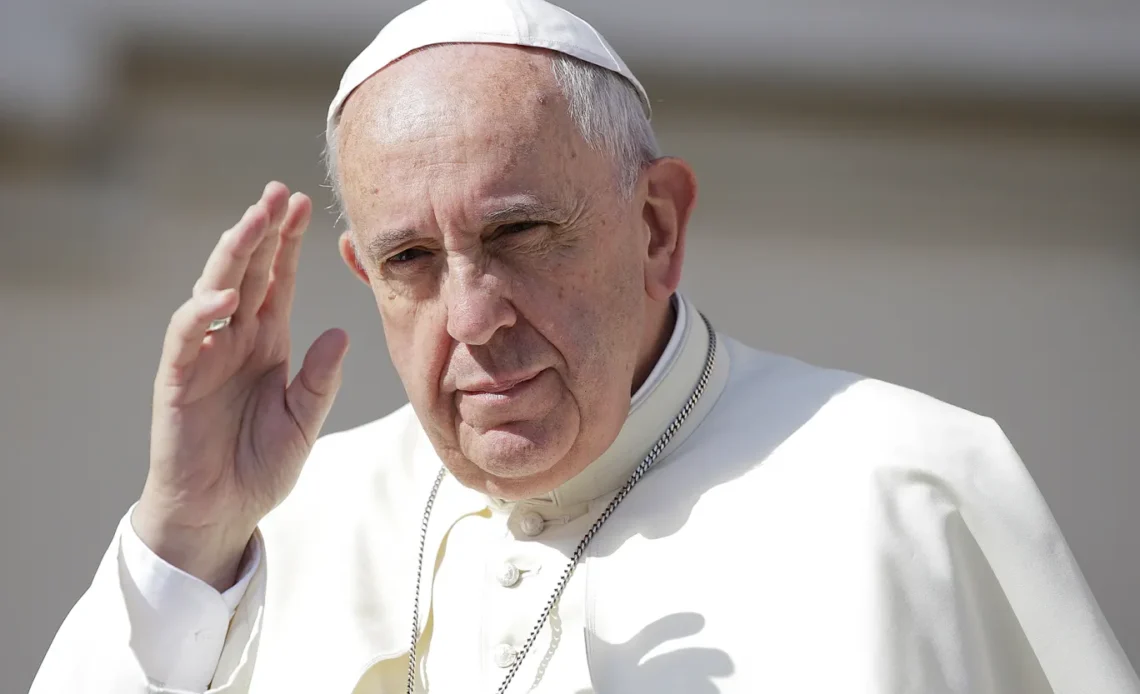
A Historic Life Comes to a Close
Pope Francis, the first Roman Catholic pontiff from the Americas and a transformative figure in modern Church history, has died at the age of 88. His passing marks the end of a papacy that broke centuries-old traditions and brought renewed focus to compassion, humility, and social justice.
In a solemn announcement delivered in a video message, Cardinal Kevin Farrell shared the news:
“Dearest brothers and sisters, with deep sorrow I must announce the death of our Holy Father Francis.”
A Pope of Firsts
Pope Francis was born Jorge Mario Bergoglio in Buenos Aires, Argentina. In 2013, he made history by becoming the first pope from the Americas, the first Jesuit to be elected to the papacy, and the first non-European pope in nearly 1,300 years.
Hailing from the Southern Hemisphere, he brought a global perspective to the Vatican, reshaping how the Church saw its role in the 21st century — particularly in addressing poverty, inequality, and climate change.
A Humble Beginning and a Powerful Legacy
Before ascending to the papacy, Francis lived a simple life in Argentina. Known for riding the bus to work and rejecting the privileges often associated with senior Church figures, his humility became a defining trait of his leadership as pope.
From the moment he chose the name “Francis” — inspired by St. Francis of Assisi, the patron saint of the poor — he signaled a new direction for the papacy: one grounded in service, simplicity, and solidarity with the marginalized.
A Global Impact on Faith and Humanity
During his time as pope, Francis emphasized mercy over judgment, unity over division, and compassion over dogma. He took bold stances on issues such as:
- Climate change and environmental responsibility
- Economic inequality and care for the poor
- Interfaith dialogue and global peace
- Inclusion and respect within the Church
- The refugee crisis and global migration
His encyclicals, speeches, and global visits touched millions, inspiring not just Catholics, but people of all faiths around the world.
A Pope Who Challenged Tradition
While rooted in Catholic doctrine, Francis was never afraid to ask hard questions and open conversations about change. He urged the Church to be less rigid, more pastoral, and more present in the lives of ordinary people.
Though not without controversy, his efforts to make the Church more inclusive and responsive to the needs of modern society earned him both admiration and criticism.
A Lasting Spiritual Legacy
Pope Francis will be remembered not only for his global influence, but also for his deeply personal approach to leadership. He often asked for prayers from those he met — regardless of whether they shared his faith. He focused on love, forgiveness, and healing in a world often torn by conflict and division.
His death marks the end of a remarkable chapter in the history of the Roman Catholic Church — a chapter that redefined what it means to lead with faith, humility, and heart.
What Comes Next for the Church
With the passing of Pope Francis, the Roman Catholic Church now enters a period of mourning and transition. The Vatican will soon begin preparations for a conclave, where cardinals from around the world will gather to elect his successor.
As the Church reflects on his legacy, the world will remember a pope who broke barriers, challenged the status quo, and brought renewed hope to millions.
