

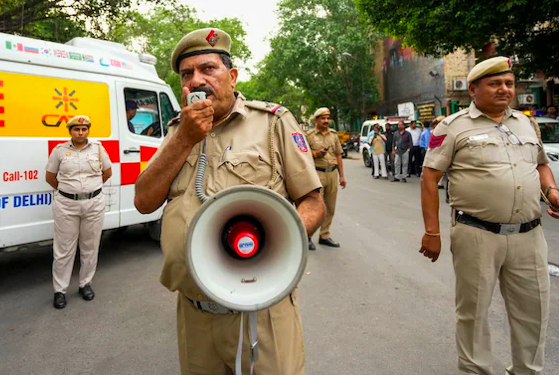
India shares long and sensitive borders with both Pakistan and China, making states like Gujarat, Jammu & Kashmir, Punjab, and Rajasthan strategically crucial. Officials say the drills are part of regular national security procedures, but this year’s exercise comes amidst increased vigilance following intelligence inputs of potential cross-border threats and the broader regional instability.
“As regional security dynamics evolve, it is essential that border states are fully prepared for any contingencies,” a senior Home Ministry official told The Hindu. “Tomorrow’s drills will test our readiness and inter-agency coordination in responding to various scenarios, including infiltration attempts and emergency evacuations.”
Drill Details: What to Expect on June 7
Residents in several districts across the four states have been notified about the upcoming exercises. While the precise locations and times remain undisclosed for security reasons, officials confirmed that the drills would involve:
Simulated infiltration and counter-infiltration operations
Emergency evacuation exercises in border villages
Mock responses to drone or aerial threats
Rapid deployment of special forces units
Testing of communication and alert systems between local, state, and central agencies
“People may notice increased movement of security personnel, temporary checkpoints, and sirens as part of the drill,” said DGP Shaktisingh Gohil of Gujarat Police. “These are precautionary measures—there is no immediate threat to the public.”
Border States on High Alert: Coordination and Objectives
The Border Security Force (BSF), Army, and local police forces will work in close tandem during Friday’s exercise. According to Jammu & Kashmir’s Director General of Police R.R. Swain, the joint drills “are designed to simulate real-time crises and iron out gaps in response mechanisms.”
Punjab DGP Gaurav Yadav confirmed that all police stations in border districts—Pathankot, Amritsar, Tarn Taran, and Ferozepur—are participating in the exercises. “Our focus is on swift communication and deployment to potential hotspots,” he said in a statement. “We request public cooperation and urge citizens not to panic on seeing enhanced security activities.”
Heightened Vigilance Amid Regional Security Concerns
The drills come weeks after increased incidents of cross-border drone activity and smuggling attempts along the Punjab and Rajasthan borders. According to Ministry of Home Affairs data released last month, there has been a 25% uptick in reported infiltration attempts compared to early 2023.
“The drills are timely, reflecting both seasonal operational cycles and real-time intelligence assessments,” said security analyst Brig. (Retd.) Anil Gupta. “They help deter nefarious actors by showcasing readiness while reassuring the local population.”
Recent Security Developments: Context and Background
Over the past year, India has stepped up border infrastructure development, surveillance capabilities, and counter-infiltration measures. Gujarat’s coastline and Kutch region, in particular, have seen additional naval and Coast Guard deployments.
In Jammu & Kashmir, authorities remain vigilant amid sporadic terrorist incidents and increased cross-border shelling. Rajasthan’s Thar Desert sector, while less volatile, still poses logistical challenges for border security forces.
National Security Advisor Ajit Doval, speaking at a closed-door security assessment meeting last week, emphasized “total inter-agency synergy and community-level awareness” as pillars of India’s border defense approach.
Government Advisory: Public Asked to Stay Calm
All four states have issued public advisories informing citizens that Friday’s activities are pre-planned drills. Mobile alert systems will be temporarily tested, and local officials will conduct door-to-door briefings in select border villages.
“We urge people to refrain from spreading rumors or unverified information,” said Rajasthan Home Secretary Abhay Kumar. “Normal life will not be disrupted.”
