

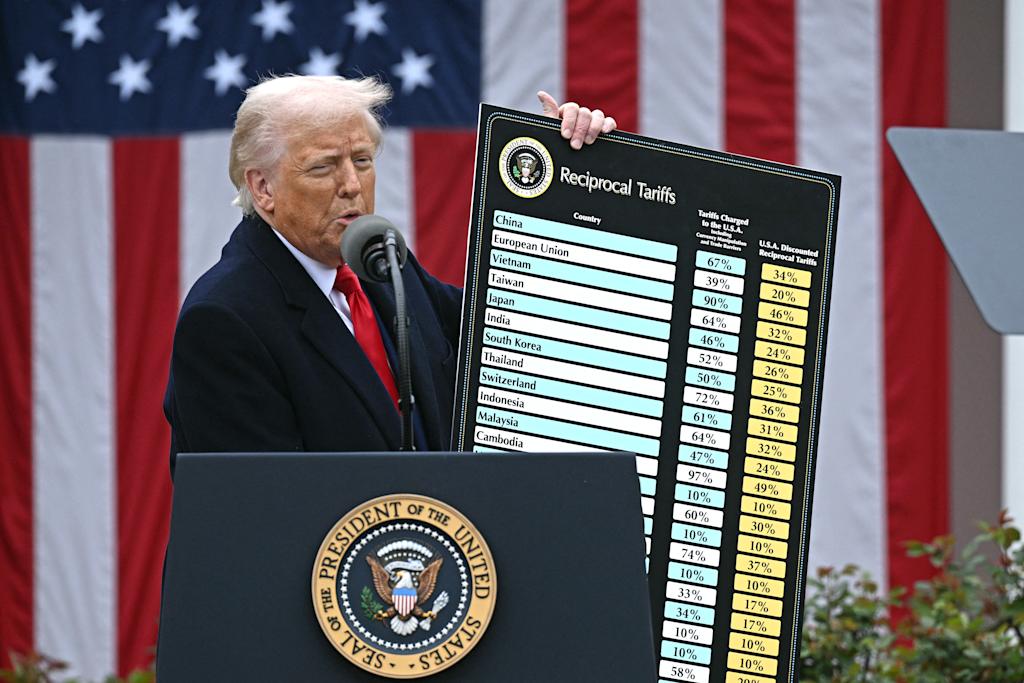
Hold onto your wallets! The U.S. has just revealed its new tariff rates for different countries, and you won’t believe how they came up with the numbers. Market experts were caught off guard when they realized that the U.S. might be using a secret formula to set these tariffs. And the craziest part? It could impact everything from the price of your phone to the cost of your clothes. Let’s dive into how these tariffs are being calculated, and why it might be a game-changer for global trade.
How the U.S. Is Calculating Tariffs (And It’s Way Simpler Than You Think!)
When the White House dropped its latest tariff numbers, analysts scrambled to figure out the magic formula. And they were stunned by what they found. According to the experts, it looks like the U.S. is using a super-simple method to set its tariffs: divide the trade deficit by imports. That’s it.
But hold on a second! That sounds like a basic math equation, not a sophisticated trade strategy, right? Here’s how it works:
- The U.S. takes its trade deficit (the amount it imports more than it exports) with a country.
- Then, they divide it by how many goods they import from that country.
- Bam — that’s your tariff rate.
So, a country with a huge trade deficit and a lot of imports could face sky-high tariffs, while a country with a smaller trade gap and fewer imports might get away with much lower tariffs. Sounds like math class, but it’s got huge implications for global trade.
The Big Trade Secret: Why Tariffs Are Not Just About Goods
Now, here’s where things get even more surprising. The U.S. is ignoring services altogether. That’s right — it’s only focusing on goods when deciding how much to tax imports. But here’s the kicker: countries like the UK, Japan, and India actually make a ton of money selling services (like banking and technology) to the U.S., but they’re being left out of the tariff equation.
So, what does this mean for you? Well, if you’re in the U.S. and your favorite electronics or fashion items are made in countries that have a large trade deficit with the U.S., you can expect prices to rise — fast.
Is This a Simple Solution or a Dangerous Gamble?
Let’s face it: this new tariff formula is super simplistic. But will it actually work? The goal of these tariffs is to shrink the trade deficit, but economists say that it’s a risky bet. Higher tariffs could lead to higher prices on everyday items — from clothes to tech gadgets — and that could hurt consumers just as much as it helps the economy.
Here’s what you need to know:
- Tariff hikes = Higher prices on imported goods.
- Trade wars = Increased tensions with foreign countries, which could lead to retaliation and more expensive goods across the board.
- U.S. businesses might face higher production costs if they rely on imports, potentially forcing them to raise prices, too.
So, while the U.S. is hoping these tariffs will bring in more money and balance trade, you might be paying for it at the checkout counter.
Wait, What About Countries with Trade Surpluses?
It gets crazier! The U.S. isn’t just targeting countries it has a trade deficit with. No, no. Countries where the U.S. actually sells more than it buys — that’s right, countries with a trade surplus — are getting hit with a flat 10% tariff.
Why? The White House seems to think that even with trade surpluses, these countries could still buy more U.S. goods. So, they’re slapping a 10% tax on countries like the UK, Japan, and Canada to “level the playing field.” But this might also stir up some serious global tension. Countries that are already selling more services to the U.S. could be less than thrilled about paying higher tariffs on U.S. exports.
What Does This Mean for Your Wallet?
Here’s the million-dollar question: How will this affect YOU?
- Higher prices on imported goods: Expect to see price hikes on items like electronics, clothing, and more. If you’re used to buying inexpensive goods from places like China or Mexico, those bargains could be gone.
- Possible shortages: If businesses face higher costs, they might cut back on inventory or raise prices even more, leaving you with fewer options to choose from.
- Potentially higher shipping costs: As countries retaliate with their own tariffs, shipping costs could rise, making everything more expensive to import.
But wait — there could be a silver lining. If the U.S. successfully reduces the trade deficit, it could stabilize the economy long-term. However, that’s a huge “if.” Until we see the results, it’s safe to say that things are going to get a lot more complicated.
Could This Lead to a Global Trade War?
Let’s not sugarcoat it: this could spark a trade war. If countries retaliate by imposing their own tariffs on U.S. goods, it could create a vicious cycle of escalating taxes. And that means more costs for everyone, from manufacturers to consumers.
If countries start punishing each other with tariffs, it’s not just big companies that will suffer — small businesses could take a hit, too. From the tech industry to the auto sector, many businesses rely on imports to keep costs low. If those imports get taxed more heavily, prices will rise, and companies will have to adjust. This could lead to job losses or even production slowdowns.
What Happens Next?
We don’t have all the answers yet, but one thing is clear: this is just the beginning. The U.S. is betting big on this new tariff strategy, but the outcome is uncertain.
Will it balance the trade deficit? Will it lead to a stronger economy? Or will it simply cause prices to rise across the board? Only time will tell.
Buckle Up, the Trade Rollercoaster Is Just Getting Started
Here’s the bottom line: tariffs are about to change the way the U.S. does business with the rest of the world. And while the math might seem simple, the consequences are anything but. Get ready for some potentially bigger price tags on your favorite products — and possibly even less variety on store shelves.
So, next time you reach for your phone or buy that new gadget, remember: tariffs might be the reason your favorite tech just got more expensive.
