

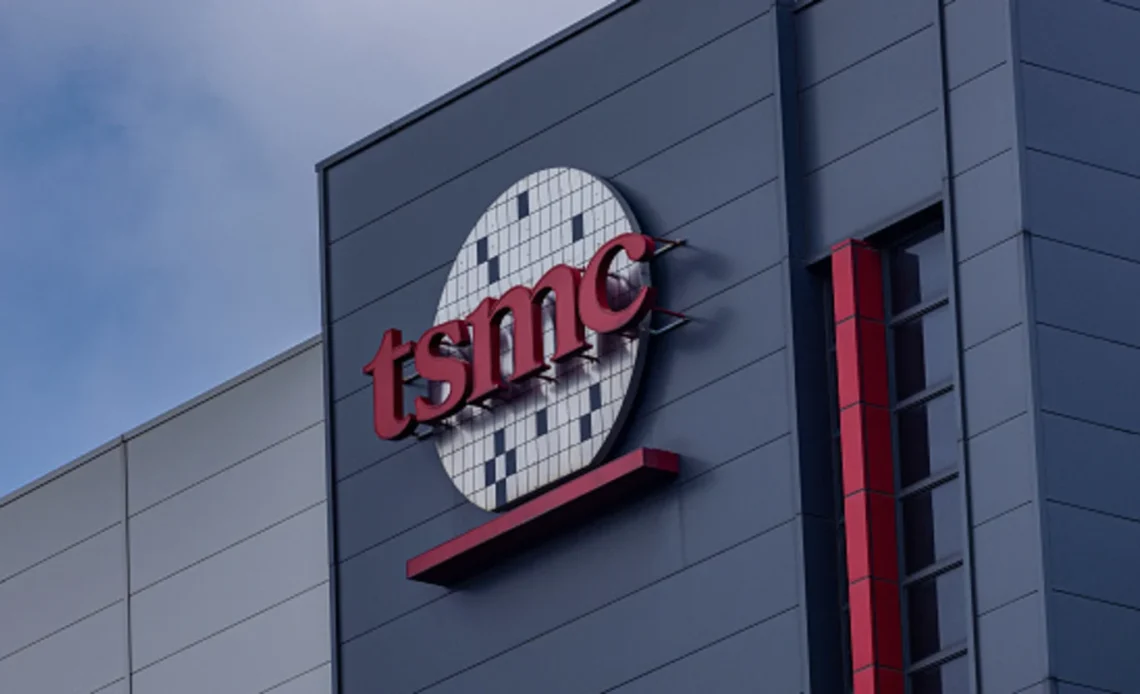
In a major development in the global semiconductor saga, Taiwan has rejected the U.S. proposal to locally produce half of the chips it currently exports to America. The decision underscores the delicate balance between trade negotiations and strategic tech policies, with tariffs taking center stage over radical production shifts.
The 50-50 Chip Proposal
Last weekend, U.S. Commerce Secretary Howard Lutnick suggested in an interview that Taiwan should manufacture 50% of the chips needed by the U.S. domestically. His reasoning: the U.S. currently relies on Taiwan for 95% of its semiconductor supply, creating a strategic vulnerability in critical technology sectors.
The “50-50” proposal implied a dramatic reorganization of the global chip supply chain, requiring Taiwan to produce a significant portion of its semiconductor output for local U.S. consumption.
Taiwan Pushes Back
Taiwan’s top trade negotiator and Vice Premier Cheng Li-chiun clarified on Wednesday that this proposal was not discussed during recent trade talks in the U.S.
Speaking to reporters after returning from Washington, Cheng said:
“We did not discuss the 50-50 production plan. Our focus was on tariff reductions, exemptions from additional duties, and lowering levies on Taiwanese exports.”
This statement firmly signals that Taiwan will not accept Washington’s demand to alter its chip production distribution, maintaining its current global supply commitments.
Focus on Tariffs and Trade
Instead of production quotas, the recent U.S.-Taiwan trade talks revolved around:
- Lowering existing tariff rates that impact Taiwanese exports
- Exemptions from tariff stacking, which imposes additional duties on top of existing tariffs
- Addressing the reciprocal 20% tariff rate that Taiwan faces
This approach reflects Taiwan’s strategy of protecting its semiconductor industry while seeking more favorable trade terms, rather than being coerced into production changes.
Strategic Importance of Taiwan’s Chips
Taiwan’s semiconductor industry is globally critical. With Taiwan supplying 95% of U.S. chips, any disruption could have major consequences for the tech sector, including smartphones, computers, and advanced defense systems.
For the U.S., reducing reliance on Taiwan has been a long-term goal to mitigate geopolitical risks, especially given rising tensions in the Asia-Pacific region. However, forcing a 50-50 production split would be a massive logistical and economic challenge, potentially disrupting Taiwan’s semiconductor ecosystem.
U.S.-Taiwan Relations in the Chip Era
The disagreement over the “50-50” plan highlights the complexity of U.S.-Taiwan economic relations. While the U.S. wants to secure its domestic chip supply, Taiwan is focused on:
- Maintaining its export market
- Protecting its domestic chip production ecosystem
- Negotiating fair trade terms without compromising strategic autonomy
Tariff discussions are currently the main arena for negotiation, with Taiwan seeking exemptions and rate reductions rather than production mandates.
Why This Matters Globally
The semiconductor industry underpins nearly every modern technology. Any shift in production patterns could affect:
- Global electronics supply chains
- Prices for consumer devices
- National security technologies
Taiwan’s rejection of the 50-50 plan reassures global tech companies that production continuity will remain stable, even as the U.S. continues exploring domestic chip manufacturing incentives.
The Road Ahead
Experts expect the U.S. and Taiwan to continue negotiations, primarily focused on tariffs and trade facilitation, rather than production quotas. For the moment:
- Taiwan retains its position as the dominant global chip supplier
- The U.S. will likely continue domestic investment in semiconductor manufacturing to reduce future reliance
- Global markets will watch closely, as any policy shifts could impact chip availability and tech pricing worldwide
Taiwan’s firm “no” to the U.S. 50-50 chip proposal shows that while Washington seeks to reduce dependence on foreign semiconductors, Taipei prioritizes trade balance, tariffs, and protecting its semiconductor industry.
As the global chip race intensifies, this decision highlights the delicate dance between economic interests and strategic security, making Taiwan the centerpiece of a geopolitical and tech battle that will shape the next decade.
