

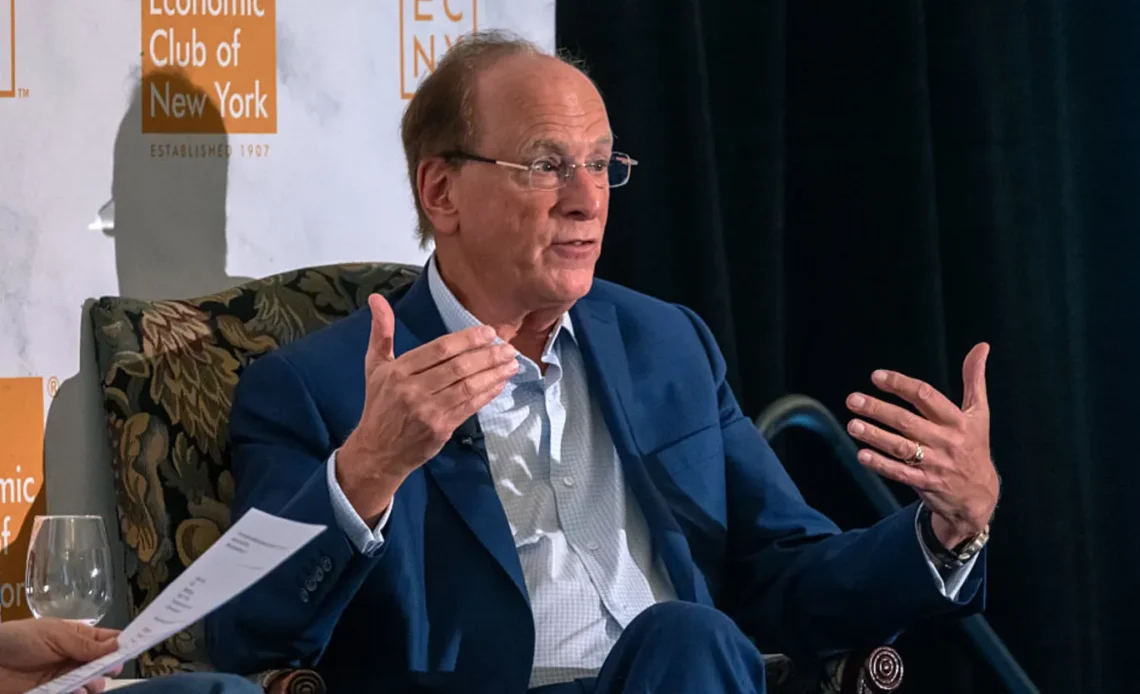
Larry Fink, CEO of BlackRock, one of the world’s largest asset management firms, has some blunt thoughts about the U.S. economy. During a recent speech, Fink shared that many top CEOs are already believing that the U.S. might be in a recession. He pointed out that while the economy hasn’t officially entered recession territory yet, the signs of a slowdown are hard to ignore. Fink also warned that trade policies from former President Donald Trump could make things worse, keeping inflation high and making it tough for the Federal Reserve to lower interest rates.
In this article, we’ll dive into what Fink said, why many CEOs share his concerns, and what it means for the economy moving forward.
Why Are CEOs Thinking We’re in a Recession?
Most CEOs Agree: We Might Be in a Recession Already
At a recent event with the Economic Club of New York, Larry Fink revealed that many CEOs he speaks with believe the U.S. economy is already in recession. While we don’t have an official declaration of a recession yet, Fink explained that the growing concerns among business leaders point to a slowdown that feels like one.
“Most CEOs I talk to would say we are probably in a recession right now,” Fink said.
A notable comment came from one CEO who compared the airline industry to a “canary in a coal mine.” In case you’re not familiar with the term, a “canary in a coal mine” is a warning sign that something is wrong. The CEO suggested that the airline industry’s struggles could be a signal for the broader economy, and according to Fink, that canary might already be sick.
Trade Wars and Inflation: How Trump’s Policies Are Affecting Prices
The Role of Tariffs in Rising Inflation
One of the biggest concerns for Fink is the ongoing effects of trade tariffs introduced during President Trump’s administration. These tariffs, particularly on imports from China, have created upward pressure on prices, contributing to inflation. This could be a major issue moving forward because it could make it harder for the Federal Reserve to manage the economy.
Fink argues that if inflation continues to rise because of these trade policies, the Fed may not be able to ease interest rates, which it usually does during a recession to stimulate economic growth. This means the economy could be stuck in a tricky spot: slowing down but with prices still rising.
Can the Federal Reserve Fix This? Not Likely, Says Fink
Interest Rate Cuts Aren’t the Solution
Many economists have been predicting that the Federal Reserve will need to cut interest rates multiple times this year to prevent a full-blown recession. But Fink isn’t so sure. In fact, he thinks there’s “zero chance” of the Fed cutting rates four times this year, as some have suggested.
Why? Because the threat of high inflation is too big to ignore. Fink believes that inflation could stay elevated, forcing the Fed to raise rates instead of lowering them. This could create an even bigger problem, as higher rates usually make borrowing more expensive, which can slow down business investment and consumer spending.
What Does All This Mean for the Average American?
If the economy is in a slowdown, it could affect jobs, wages, and prices in ways that many people will feel directly. If inflation stays high, prices for everyday goods like groceries, gas, and housing may continue to rise, putting a strain on household budgets.
On the other hand, if the Fed raises interest rates to combat inflation, loans and mortgages could become more expensive, making it harder for people to borrow money for things like buying a home or starting a business.
What’s Next for the U.S. Economy?
While Fink’s comments reflect concerns that the economy may already be in a recession, it’s still unclear whether we’ll see a full downturn. Some experts think the economy could slow down without technically entering a recession, while others worry that the combination of inflation and rising interest rates could push the country into one.
The key takeaway from Fink’s warning is that uncertainty is high, and there’s a lot of caution among business leaders. While no one can predict the future, it’s clear that the U.S. economy is facing some serious challenges.
Final Thoughts: Is a Recession Inevitable?
Larry Fink and other business leaders believe we are heading toward a more difficult economic period. Whether or not we are technically in a recession yet, the warning signs are hard to ignore. Rising inflation, the lingering impact of trade tariffs, and the Federal Reserve’s dilemma over interest rates all suggest that the next few years could be challenging.
For those who are concerned about their financial future, it’s a good time to start preparing for potential economic changes. That might mean saving more, being cautious with big purchases, or even seeking out financial advice to navigate uncertain times.
