

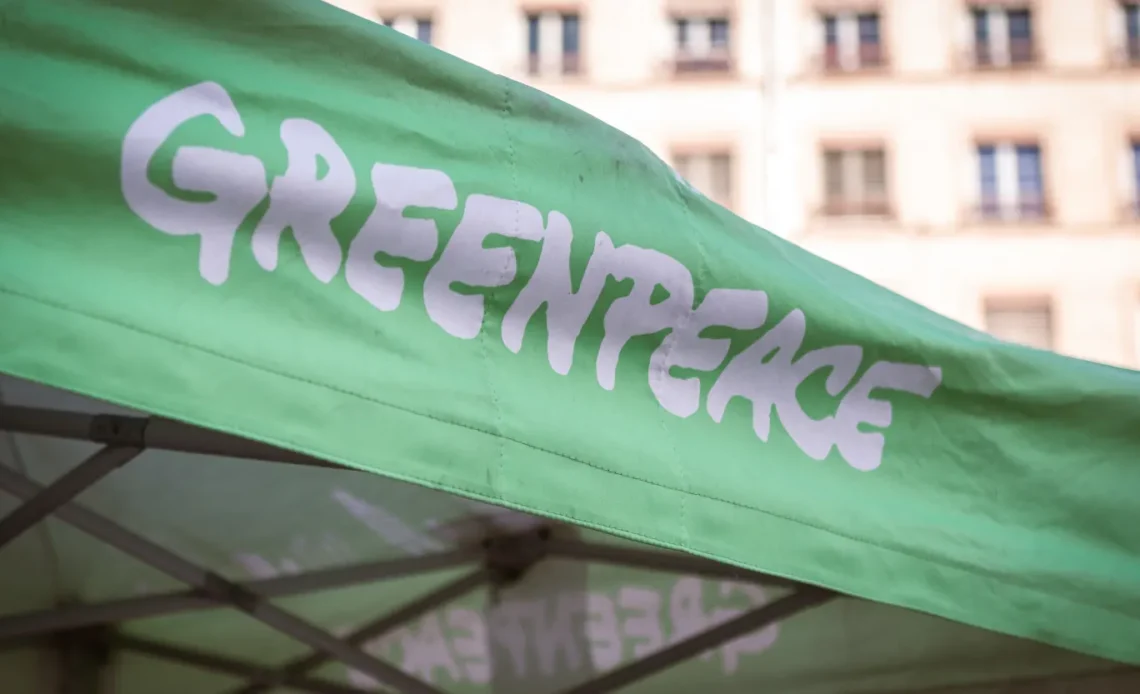
Greenpeace Hit with Major Legal Blow
In a groundbreaking legal decision, Greenpeace has been ordered to pay over $660 million in damages to Energy Transfer, the company behind the controversial Dakota Access Pipeline. This decision marks a significant setback for the environmental group, which has been an outspoken critic of the pipeline’s construction.
The lawsuit stems from Greenpeace’s efforts to prevent the completion of the pipeline nearly a decade ago, a battle that involved numerous protests and legal challenges. The outcome of this trial has raised serious concerns about the future of environmental activism and the protection of free speech in the U.S.
Let’s dive into the details of this case, why it matters, and what this could mean for future protests and the protection of our right to speak out.
What Led to Greenpeace’s $660 Million Fine?
The Dakota Access Pipeline: A Controversial Project
The Dakota Access Pipeline (DAPL) is a 1,172-mile oil pipeline that stretches across several states, including North Dakota, South Dakota, Iowa, and Illinois. Its construction, which began in 2016, sparked widespread protests, particularly among environmentalists and Indigenous groups. They argued that the pipeline threatened clean water sources and violated Native American land rights.
One of the most vocal opponents of the pipeline was Greenpeace, an international environmental organization known for its direct action campaigns. Greenpeace, along with other activists, staged protests and campaigned to halt the pipeline’s construction, claiming it posed significant environmental and cultural risks.
While many saw these efforts as a defense of the environment and Indigenous rights, Energy Transfer, the company behind the DAPL, saw them as an obstacle to their project’s completion. This led to a prolonged legal battle, with Greenpeace and other activists facing lawsuits from the company.
The Legal Battle and the $660 Million Verdict
In a dramatic turn of events, a jury in Mandan, North Dakota, ruled that Greenpeace should pay more than $660 million in damages to Energy Transfer. The jury deliberated for two days before reaching its verdict, finding Greenpeace liable for actions taken to prevent the construction of the pipeline.
This ruling is seen as a massive victory for Energy Transfer and a major setback for Greenpeace. The environmental group had warned that losing the case could put its financial future at risk, possibly forcing it into bankruptcy. Despite the ruling, Greenpeace has vowed to appeal the decision, saying the verdict is part of a larger effort to suppress free speech and silence dissent.
Why This Ruling Is So Controversial
The Battle Over Free Speech and Protest Rights
Greenpeace has strongly criticized the lawsuit, arguing that it’s an attack on the fundamental rights of peaceful protest and free speech. In a statement issued after the ruling, Sushma Raman, the interim executive director of Greenpeace U.S., said the case should be a concern for everyone, regardless of their political beliefs.
“This case should alarm everyone, no matter their political inclinations,” Raman said. “It’s part of a renewed push by corporations to weaponize our courts to silence dissent.”
Greenpeace’s argument is that corporations like Energy Transfer are using legal means to intimidate and financially cripple those who protest their business activities. The environmental group claims that the ruling could have dangerous implications for the First Amendment, which guarantees the right to free speech and peaceful protest in the U.S.
This legal outcome has sparked a broader debate about the role of corporations in politics and the influence of money in the legal system. Many activists are concerned that this case sets a precedent for future lawsuits aimed at stifling the voices of those who challenge large corporations or government policies.
What Does This Mean for Greenpeace?
A Setback for Environmental Activism
This ruling is a massive blow for Greenpeace, which has long been a major force in environmental activism around the world. The group has been involved in a number of high-profile campaigns aimed at raising awareness about climate change, pollution, and deforestation. Greenpeace is also known for its direct-action tactics, including protests, legal challenges, and even occupying oil rigs or logging sites.
The $660 million fine could potentially cripple the organization, especially given its global reach and reliance on donations from supporters. Greenpeace has said that the ruling could force it into bankruptcy, which would drastically reduce its ability to fund future campaigns and continue its activism.
However, the group remains determined to fight the decision. Greenpeace has made it clear that it plans to appeal the verdict, and it has promised to continue its efforts to protect the environment and promote sustainable practices. Greenpeace also argues that the lawsuit is part of a broader effort to intimidate and silence other environmental organizations.
Could This Case Endanger Other Activist Groups?
The ruling against Greenpeace has raised concerns among other activist groups who rely on non-violent protests and legal action to push for social change. If this case sets a legal precedent, it could make it much harder for organizations to challenge powerful corporations without facing costly legal battles.
Activists fear that this case will set a dangerous trend, with corporations using the legal system to shut down opposition to their projects. If these types of lawsuits become more common, it could have a chilling effect on public protest and civil disobedience, which are fundamental parts of the democratic process in many countries.
What’s Next for the Dakota Access Pipeline?
While Greenpeace is fighting this legal setback, Energy Transfer continues to operate the Dakota Access Pipeline, which is already fully functional and transporting oil. The pipeline has faced ongoing opposition from environmentalists and Indigenous communities, who argue that its existence poses significant risks to the environment and violates the rights of Native American tribes.
The controversy surrounding the Dakota Access Pipeline is far from over. Although the pipeline is up and running, it remains a focal point for activists who continue to call for its shutdown. Greenpeace’s legal defeat may not end the fight against the pipeline, but it could make it more difficult for groups like Greenpeace to raise awareness or organize protests.
The Fight for Free Speech and the Future of Activism
The $660 million ruling against Greenpeace in favor of Energy Transfer has brought to light some important issues about the role of activism, protest rights, and corporate power in modern society. While Greenpeace plans to appeal the verdict, the case highlights the potential dangers for environmental and social justice organizations moving forward.
As this legal battle continues, it will be important to watch how it affects future protests, environmental movements, and the broader fight for free speech in the U.S. It also raises important questions about the role of corporations in politics and their ability to use the legal system to silence dissenting voices.
Ultimately, the ruling could mark a turning point in how activists and corporations interact in the courtroom and could redefine the balance between corporate power and civil rights in the years to come.
