

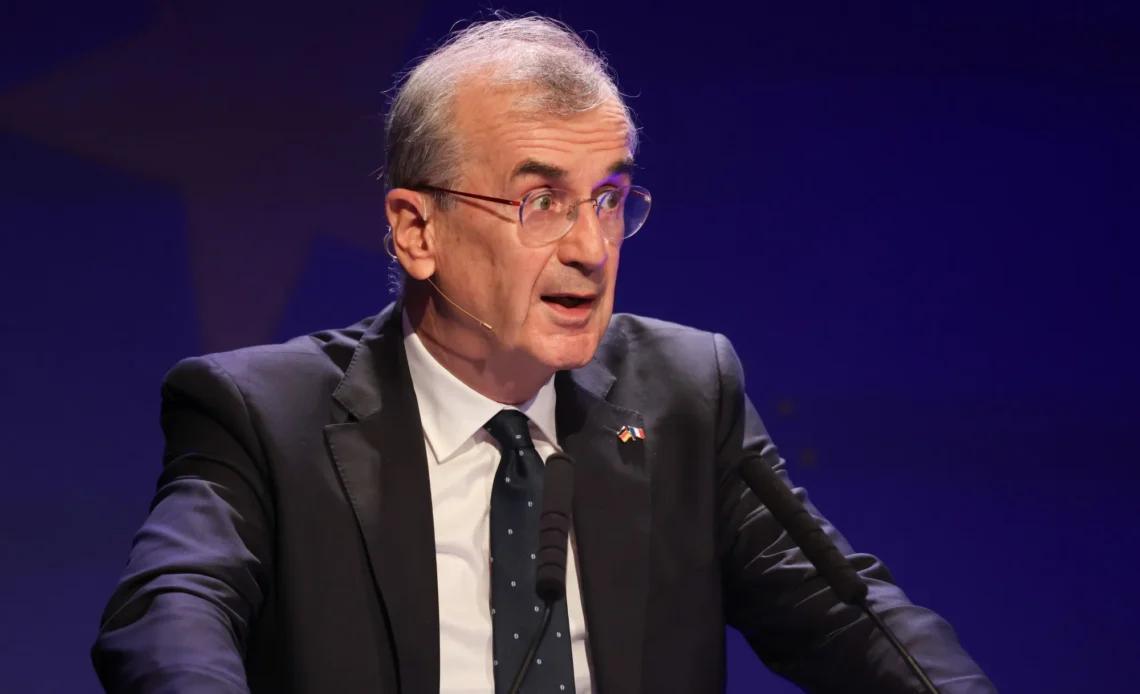
The U.S. dollar has long been the dominant currency in global trade, but European Central Bank (ECB) official François Villeroy de Galhau has raised concerns about the dollar’s future. According to Villeroy, the policies pushed by former U.S. President Donald Trump have significantly eroded confidence in the U.S. dollar. This shift could have long-term effects on both global financial markets and the international economy. But what exactly did Trump do to weaken the dollar, and what does it mean for the global financial landscape? Let’s dive into this developing story.
Villeroy’s Warning: Trump’s Policies and Their Impact on the Dollar
François Villeroy de Galhau, a leading official at the European Central Bank, has voiced his concerns about the weakening of the U.S. dollar. Speaking out recently, Villeroy pointed to the economic policies of Donald Trump as a key factor in the decline in confidence surrounding the dollar.
During Trump’s presidency, the U.S. saw a shift toward isolationist economic strategies, including large tax cuts, trade wars, and a more aggressive approach to international relations. While these policies were intended to boost the U.S. economy, Villeroy argues that they led to a loss of trust in the U.S. dollar as a reliable global currency.
One of the most noticeable effects of Trump’s policies, according to Villeroy, is the growing uncertainty surrounding the dollar’s stability. The dollar had been a safe-haven currency for years, meaning investors and nations would turn to it during times of economic or political turmoil. However, Villeroy suggests that Trump’s economic decisions have created an environment of unpredictability that has made the dollar less appealing to investors and other countries.
Why the U.S. Dollar Has Been the Global Standard – and What’s Changed
To understand Villeroy’s concerns, it’s important to look at why the U.S. dollar has been so crucial to the global economy. The dollar has long been the dominant currency in international trade, used for everything from oil transactions to global investments. This status has made the dollar a pillar of global financial stability.
For decades, the U.S. has enjoyed the luxury of having the world’s reserve currency. Countries and institutions around the world hold large reserves of U.S. dollars, trusting in its stability. However, Trump’s approach to trade wars, tariffs, and aggressive foreign policies created a sense of unpredictability in global markets.
For example, Trump’s decision to impose tariffs on a variety of countries—most notably China—triggered retaliatory measures that disrupted trade and caused economic instability. When global markets become uncertain, investors typically flock to the U.S. dollar as a safe investment. But the unpredictability of U.S. trade policy under Trump’s administration made the dollar less reliable, pushing some investors and countries to consider alternatives.
What Does Villeroy’s Criticism Mean for the Dollar Moving Forward?
Villeroy’s comments are a stark reminder of the potential risks to the U.S. dollar’s dominance. If confidence in the dollar continues to erode, the global financial system could see a shift toward diversification, where countries start to hold fewer dollars in their reserves or seek out alternative currencies for trade.
One of the main concerns is that other major currencies, such as the euro or the Chinese yuan, might start to gain traction as alternatives to the dollar. While the euro remains the second-most popular currency globally, the yuan has made significant strides in recent years, particularly with China’s push to internationalize its currency.
For Villeroy, this shift could be beneficial for the European Union. If the euro were to replace the U.S. dollar as the dominant currency in global trade, it could further strengthen the EU’s economic position. However, this also presents challenges, as it would require global markets to adopt a new way of thinking about currency exchange and financial transactions.
How Global Markets Are Reacting to the Dollar’s Uncertainty
Since Trump’s policies took effect, the global financial market has been adjusting to the uncertainty surrounding the U.S. dollar. In response, some countries have started exploring alternatives to the dollar, while others have sought to hedge their risks by diversifying their foreign reserves.
For instance, countries like Russia and China have been reducing their reliance on the U.S. dollar, opting to use their own currencies in bilateral trade agreements. China, in particular, has made significant moves toward using the yuan in international transactions, especially with its Belt and Road Initiative, which aims to expand its economic influence across the globe.
This diversification has also been driven by concerns over the U.S. government’s increasing debt levels and the possibility of inflation. As the U.S. continues to run substantial trade deficits and increase its debt, global investors are becoming more wary of holding large amounts of U.S. dollars. This trend could signal a shift in how the global financial system operates, with countries becoming less reliant on the dollar and seeking out other currencies or assets to hold in their reserves.
The Future of the Dollar: Will the Euro or Yuan Take Over?
While Villeroy’s comments highlight the challenges the U.S. dollar faces, it’s still unclear whether the euro or the yuan will be able to fully replace the dollar’s role as the world’s reserve currency. The euro has long been the second-most traded currency globally, and the European Union continues to advocate for greater use of the euro in global trade.
However, the yuan’s rise is also notable. China’s aggressive push for the internationalization of its currency—especially through initiatives like the Asian Infrastructure Investment Bank—could position the yuan as a viable alternative in the future. But for now, the dollar remains dominant, despite the challenges posed by Trump’s policies.
Villeroy’s comments serve as a warning that the dollar’s dominance is not guaranteed and that global markets could begin to seek out alternatives if confidence in the U.S. currency continues to decline.
Will Trump’s Legacy Impact the Dollar for Years to Come?
François Villeroy de Galhau’s criticism of Trump’s economic policies highlights a growing concern for the future of the U.S. dollar. As the global economy adjusts to the post-Trump era, the once-unshakeable confidence in the dollar is starting to wane. If this trend continues, we could see significant shifts in global financial markets, as countries explore alternatives to the dollar for trade and reserves.
Though the dollar remains dominant for now, Villeroy’s warning reminds us that nothing in the world of finance is permanent. The global financial landscape is constantly changing, and the U.S. dollar’s position could be more vulnerable than ever before.
