

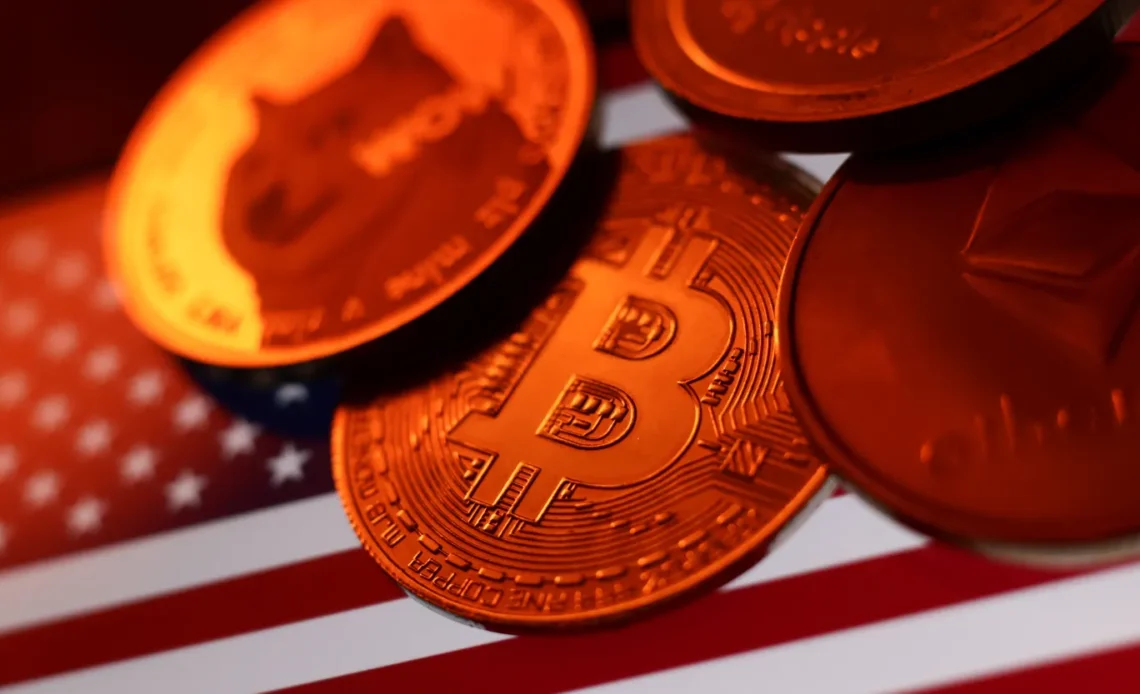
Bitcoin Falls Below $80,000 as Global Markets Plunge – What’s Behind the Drop?
Bitcoin has been the talk of the town for much of 2023, regularly trading above the $80,000 mark. However, over the weekend, the world’s biggest cryptocurrency saw a dramatic drop, slipping below that threshold for the first time in months. As of the latest data, Bitcoin was down nearly 4%, trading at $76,684.44, and investors are starting to wonder if the best days of crypto are behind them.
But what’s behind this sudden drop? Is Bitcoin losing its shine, or is this just another bump in the road? Let’s take a closer look at why Bitcoin and other cryptocurrencies are struggling and what this means for investors moving forward.
What’s Driving Bitcoin’s Sudden Drop Below $80,000?
Bitcoin has been on an impressive ride in 2023, with many expecting it to hit even higher levels. But after President Trump’s new tariffs hit the global markets, cryptocurrencies were caught up in the same wave of uncertainty that sent traditional markets into a tailspin. Bitcoin, often seen as a bellwether for market sentiment, couldn’t escape the broader market’s volatility.
The Tariff Tumble: Trump’s Impact on Crypto
Over the weekend, news broke that U.S. President Trump’s latest tariff rollout sparked fears of a global recession. These new tariffs have caused investors to panic, not only selling off stocks but also unloading cryptocurrencies, which are known for their price volatility. Bitcoin, usually considered a “big tech stock” of the crypto world, also felt the sting as traders braced for more financial turbulence.
While Bitcoin had been trading comfortably above $80,000 for most of 2023, the drop below that level signifies a shift in sentiment. With the looming fears of a global recession, Bitcoin’s usual safe-haven status for some investors is being called into question.
Bitcoin’s Price Plunge: What’s Happening Right Now?
Bitcoin has seen its value drop almost 30% since hitting an all-time high earlier this year. At its peak, Bitcoin was pushing $110,000, but now it finds itself struggling to maintain its $80,000 floor. As of now, Bitcoin is hovering just above $76,000, and investors are on edge.
The Big Question: Is Bitcoin Still a Safe Bet?
For those who have been watching the cryptocurrency market closely, Bitcoin’s drop below $80,000 might not be all that surprising. Historically, Bitcoin has been extremely volatile, often seeing big swings in price. This recent decline could just be another temporary setback or part of a larger market correction.
However, some experts believe that Bitcoin could face further downside as economic conditions worsen. Geoff Kendrick, head of digital assets research at Standard Chartered, pointed out that while there’s a lot of “noise” in the market right now, the uncertainty caused by global tariffs and recession fears is likely to continue driving price fluctuations.
Bitcoin’s Decline in Context: How It Compares to the Stock Market
Bitcoin and traditional stock markets have always had a somewhat uneasy relationship. However, in recent times, Bitcoin has often traded similarly to big tech stocks, and many traders view it as a barometer for broader market sentiment. Over the last week, both the stock market and Bitcoin experienced significant losses.
Crypto Versus Stocks: A Parallel Decline
The stock market saw its worst decline since 2020, with major indices like the S&P 500 and NASDAQ suffering huge losses. Meanwhile, Bitcoin, which had managed to hold steady at $82,000 to $83,000 for most of last week, bucked the trend and kept climbing even as stocks fell.
However, that upward momentum didn’t last. As the stock market continued to reel, Bitcoin couldn’t avoid the pull of the broader market downturn and has since seen a sharp drop.
Other Cryptocurrencies Suffer Even Bigger Losses
While Bitcoin’s decline has been painful, it’s not the only cryptocurrency feeling the pressure. Other major tokens have taken an even harder hit. Ethereum (ETH), the second-largest cryptocurrency by market cap, plunged by around 8%, while Solana’s token (SOL) tumbled by 6%.
These losses highlight the continued volatility in the crypto market, where one day’s gains can quickly turn into the next day’s losses. The combination of the new tariffs, economic uncertainty, and the global market rout is clearly weighing heavily on the entire crypto space.
What’s Next for Bitcoin and Cryptocurrencies?
So, where does Bitcoin go from here? Will it bounce back, or is this the start of a deeper decline?
Market Volatility May Persist
Given the current climate, it’s likely that Bitcoin will continue to face significant volatility in the short term. The rollout of Trump’s tariffs is just one of several factors contributing to market instability. Until the global economic outlook stabilizes, Bitcoin’s price could continue to fluctuate wildly, potentially dipping lower before finding a floor.
Crypto Enthusiasts: Stay Calm or Sell?
For Bitcoin enthusiasts, the key question is whether to hold or sell. Given that cryptocurrencies like Bitcoin are still a relatively young asset class, many investors believe the best strategy is to ride out the volatility.
If you’re thinking of selling, it’s important to consider how long you’ve been holding Bitcoin and whether your investment strategy is based on short-term gains or long-term potential. If you’re in it for the long haul, this dip could be a buying opportunity. But if you’re concerned about more immediate losses, it might make sense to cut your losses and wait for more favorable market conditions.
What Should You Know About Crypto During Market Downturns?
If there’s one thing we know about the cryptocurrency market, it’s that it’s incredibly unpredictable. Bitcoin, Ethereum, and other cryptos can experience major price swings within a short period. While this volatility presents opportunities for high rewards, it also brings risks that aren’t for the faint-hearted.
Crypto is Risky – But Can It Bounce Back?
Despite the price drop, many experts remain optimistic about the future of Bitcoin and cryptocurrencies in general. While global recessions and tariffs are short-term headwinds, cryptocurrencies have proven resilient in the past, often bouncing back stronger after corrections.
The real question is whether Bitcoin and other cryptos can continue to attract mainstream investment as they mature. As institutional investors and large corporations continue to show interest in crypto, the market’s long-term outlook remains positive. But for now, expect more turbulence.
Bitcoin’s Future Is Uncertain, But Not Doomed
Bitcoin’s recent drop below $80,000 might have some investors nervous, but it’s far from the end of the road for the cryptocurrency. While the global market downturn, fueled by President Trump’s new tariffs, is adding pressure, Bitcoin’s long-term potential is still intact.
If you’re invested in Bitcoin, don’t panic just yet. Cryptocurrencies are known for their volatility, and this price drop could simply be another bump in the road. However, if you’re new to the market or have been sitting on the sidelines, this might be an opportunity to jump in at a lower price.
In the meantime, keep an eye on the global economic situation. Tariffs, recessions, and other macroeconomic factors will continue to impact both traditional markets and cryptocurrencies.
Stay informed, stay patient, and as always, make sure your investment strategy aligns with your financial goals.
