

In a dramatic escalation of diplomatic rhetoric, Iranian authorities announced on Wednesday that the nation may exit the landmark Nuclear Non-Proliferation Treaty (NPT) if international pressure and military threats from Israel continue. This potential withdrawal comes amid persistent violence along the Israeli-Iranian front, sparking fears of a broader regional crisis.
Speaking to reporters in Tehran, Iran’s Foreign Ministry spokesperson Nasser Kanaani stated, “All options are on the table, including leaving the NPT. Iran cannot accept constant threats to its sovereignty.” Kanaani’s comments arrived hours after Israeli Defense Forces (IDF) responded to missile attacks with strikes on suspected Iranian-aligned positions in Syria and Lebanon.
What Is the Non-Proliferation Treaty?
The NPT, signed in 1968, aims to prevent the spread of nuclear weapons and facilitate peaceful use of nuclear energy. Iran, a signatory to the treaty, has long faced international scrutiny over its nuclear ambitions. An exit would effectively remove international oversight of its nuclear program, intensifying Western concerns.
“Withdrawal from the NPT is a red line for the international community. Such a move would radically increase the risk of nuclear proliferation,” said Dr. Emily Landis, a security analyst at the European Council on Foreign Relations.
Fatalities Mount as Violence Escalates
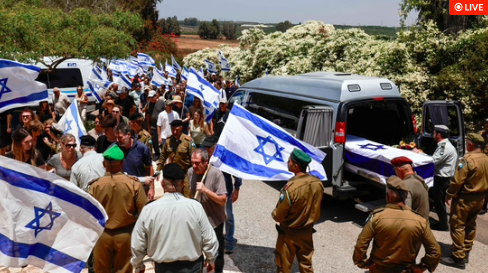
The Israeli Health Ministry confirmed that at least 24 people in southern and central Israel have been killed since the latest round of hostilities erupted last weekend. The deaths followed a barrage of rocket fire from Iranian-backed groups, including Hezbollah militias near the Lebanese border and Iranian Revolutionary Guard forces.
Local media reported that civilian infrastructure, including residential neighborhoods in Ashkelon and Kiryat Shmona, sustained heavy damage. “We woke up to the sound of sirens and explosions. Entire buildings are gone,” said Dorit Mizrahi, a resident of Ashkelon.
Israeli Response and Escalation
The IDF stated it conducted “precision operations against Iranian military assets” and vowed to continue its efforts to neutralize threats. Prime Minister Benjamin Netanyahu, addressing parliament, warned, “Israel will not tolerate unprovoked aggression. Our response will be decisive and ongoing until our citizens are safe.”
International Reaction and Warnings
Global leaders and institutions have expressed concern over the spiraling crisis:
United States: President Joe Biden called for “immediate de-escalation,” emphasizing Washington’s commitment to Israel’s security and warning Iran against provocations that threaten nuclear stability.
United Nations: UN Secretary-General António Guterres urged both sides to “exercise maximum restraint” and warned that further escalation could “ignite a broader regional conflict with devastating consequences.”
European Union: EU High Representative Josep Borrell signaled urgent diplomatic engagement to prevent Iran’s possible withdrawal from the NPT, stating, “A breakdown of the nuclear pact would have catastrophic repercussions for regional and global security.”
Background: Tensions and Triggers
The current conflict traces back to a string of volatile incidents, including reported Israeli strikes on Iranian defense installations in Syria and Iran’s suspected support for proxy groups encircling Israel.
Iran’s nuclear program has long served as the flashpoint for distrust. Israel and Western allies accuse Tehran of covertly advancing nuclear weapons capability—a charge Iran denies, insisting its program is for peaceful energy use.
Previous Warnings and Escalations
This is not the first time Iran has threatened to reconsider its NPT commitments. However, experts warn that the current context is more dangerous. “Regional rivalries have reached an unprecedented level,” said Professor Dalia Shaul, a Middle East policy scholar. “As casualties mount, domestic pressures could drive both governments toward decisions with long-lasting implications.”
Humanitarian Impact and Civilian Concerns
Alongside military casualties, the humanitarian situation is worsening, particularly in border communities. Hospitals in Israel are on high alert, treating dozens for injuries caused by rocket fire and secondary effects such as building collapses.
International aid organizations, including the Red Cross, have called for protected humanitarian corridors. “Civilians must not bear the brunt of geopolitical strife,” said Fatima al-Sharif, regional coordinator for Médecins Sans Frontières.
What Happens Next?
Diplomatic sources suggest emergency talks at the United Nations Security Council may take place within 48 hours. While prospects for a ceasefire remain slim amid mutual recriminations, efforts are underway behind the scenes to deter further escalation—especially regarding Iran’s nuclear ambitions.
