


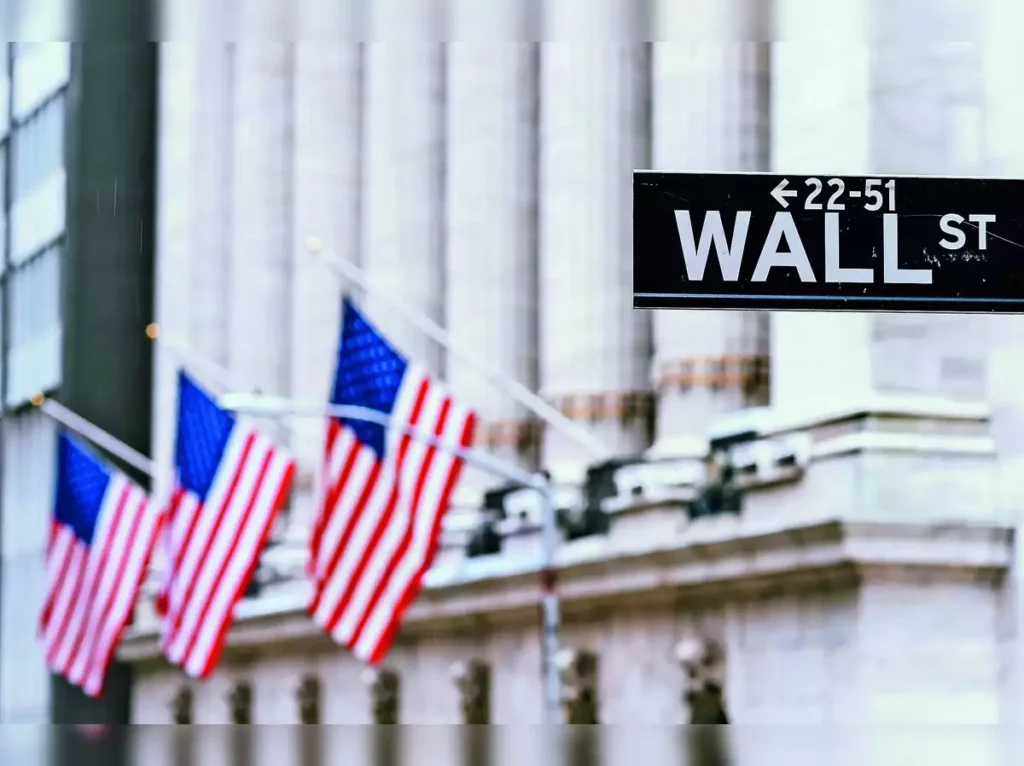
As tensions between the U.S. and China continue to escalate, Wall Street is starting to adjust its expectations for China’s economic growth. Goldman Sachs recently became the latest major investment firm to lower its growth forecast for China, citing rising tariffs and other economic disruptions. Other investment giants, including Citi, have also followed suit, predicting that China’s GDP growth will take a significant hit this year.
This article dives into what’s driving these revised forecasts and what the future might look like for the world’s second-largest economy.
Goldman Sachs Cuts China Growth Forecast
On Thursday, Goldman Sachs announced it was lowering its growth forecast for China’s economy from 4.5% to 4.0% for this year. This adjustment comes as the U.S. and China’s trade tensions have escalated, especially with tariffs on Chinese goods more than doubling recently.
Goldman Sachs economists pointed out that the steep rise in U.S. tariffs is expected to have a substantial impact on China’s economic performance. The firm now anticipates that these tariffs will slow down China’s GDP growth by 2.2 percentage points by 2025, which is a significant reduction.
Why Are Trade Tensions Hurting China’s Economy?
The trade conflict between the U.S. and China has been a long-running issue, but the latest escalation has caused real damage to both economies. The U.S. has raised tariffs on Chinese imports, making it more expensive for Chinese companies to do business with American firms. In retaliation, China has imposed its own tariffs on U.S. goods, further disrupting trade.
According to Goldman Sachs, the higher tariffs—now at 125%, up from 11% when President Trump returned to office—will weigh heavily on China’s economic growth this year and beyond. This is because it reduces the competitiveness of Chinese products in the global market and makes it more costly for Chinese companies to access necessary raw materials and technology.
Citi Joins in Slashing Forecasts for China’s Economy
Goldman Sachs isn’t the only firm adjusting its outlook for China. On Tuesday, analysts at Citi also cut their GDP forecast for China this year, lowering it to 4.2%. This marks a reduction of 0.5 percentage points from their previous forecast.
Citi economists believe that the likelihood of a trade deal between the U.S. and China is shrinking, given the recent escalation in tensions. They argue that with fewer opportunities for negotiation, China’s economy is set to suffer, especially with a lack of concrete trade agreements in place.
What Does This Mean for China’s Economic Future?
As China’s economy faces these mounting challenges, many are asking what the future holds. While some economists believe Beijing will continue to push for policy changes to ease the strain, others are not so optimistic.
Goldman Sachs suggested that China’s government is likely to ramp up efforts to ease economic pressures, such as offering stimulus measures or cutting interest rates. However, the bank doesn’t believe these measures will be enough to completely offset the negative impact of the rising tariffs. This means that China’s economy could continue to face sluggish growth, especially if tensions with the U.S. persist.
China’s Response: Will Policy Changes Help?
Despite these concerns, Beijing isn’t sitting idly by. China has already begun implementing some policy adjustments to counteract the effects of the trade war. This includes efforts to stimulate domestic consumption and ease credit conditions for businesses.
However, experts like Yue Su, a principal economist at the Economist Intelligence Unit, note that the diminishing impact of tariffs over time could shift China’s approach. Su pointed out that while tariffs might still be a major factor in China’s trade policies, the country may begin to view the U.S. leverage as reaching a ceiling, with less room for future adjustments.
What’s Next for China’s Economic Outlook?
Looking ahead, economists agree that the next few years will be crucial for China. While the government is expected to continue offering policy support, the ongoing trade tensions with the U.S. could prevent the country from achieving the robust growth rates it has enjoyed in previous decades.
At the same time, some experts believe that the international community may need to adapt to the new economic realities brought on by these tensions. With trade between the U.S. and China cooling off, China could look to diversify its markets and strengthen its ties with other regions, such as Europe or Southeast Asia.
China’s economic future looks uncertain as the trade war with the U.S. intensifies. Goldman Sachs and Citi have already reduced their growth forecasts for China, and the outlook for 2023 isn’t promising. The rising tariffs, escalating trade restrictions, and diminishing opportunities for a trade deal mean that China’s economy could face slower growth in the coming years.
As China works to implement policies to counteract the economic slowdown, the true extent of the impact will depend on how long the trade conflict lasts and how effectively Beijing can pivot its strategy. If the U.S.-China trade war continues to drag on, the global economy might also face rippling effects as the world’s two largest economies struggle to find common ground.