


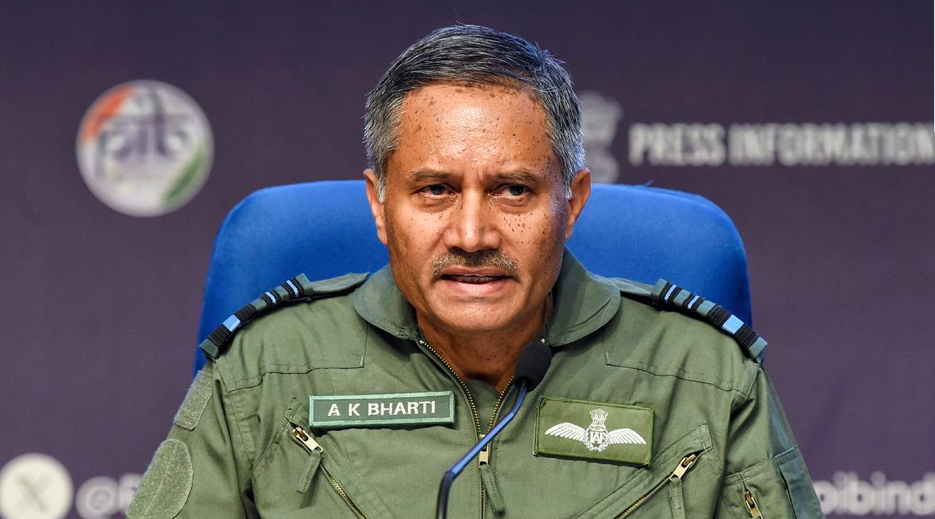
According to high-level diplomatic and defense sources, Pakistani officials made back-to-back appeals through both military channels and diplomatic hotlines on Tuesday and Wednesday, urging Indian authorities to pause their offensive. Operation Sindoor, concentrated along the Line of Control (LoC) in Jammu & Kashmir, has resulted in substantial troop casualties on the Pakistani side, as confirmed by both official statements and independent reports.
An Indian defense spokesperson, speaking on the condition of anonymity, confirmed, “We have received multiple communications from the Pakistani side asking for an immediate halt to our ongoing military action. However, our current posture is in direct response to recent provocation.”
Sources within Pakistan’s Foreign Ministry reiterated, “Our repeated calls for de-escalation and restoration of ceasefire are in line with earlier bilateral agreements. The humanitarian situation is swiftly deteriorating.”
Causes Behind Operation Sindoor
Operation Sindoor was triggered after Indian forces reported a series of border violations and infiltration attempts in the first week of June. According to the Indian Army, several Pakistani posts along the LoC provided cover fire to facilitate militants entering Indian territory—prompting a robust counter-offensive.
Defense analyst C. Raja Mohan notes, “Operation Sindoor is the most significant Indian military response in years, both in scale and precision, signaling a recalibration of India’s deterrence policy post the February 2019 tensions.”
Secondary keywords: India-Pakistan border clashes, Operation Sindoor casualties, India-Pakistan ceasefire talks, LoC skirmishes, South Asia security
Human Cost and International Reactions
Official and unofficial reports place Pakistani military fatalities at over 160 since the operation began, with dozens more injured. Indian sources maintain that their side has sustained “minimal casualties,” though both sides have yet to provide independently-verified figures.
International actors—including the United Nations, United States, and China—have called for restraint. A spokesperson for the UN Secretary-General stated, “We are deeply concerned about the loss of life and urge both nations to immediately restore calm along the Line of Control.”
On social media, #CeasefireNow has been trending in both countries, with citizens and activists calling for a halt to hostilities and a return to dialogue.
Diplomatic and Strategic Context
The LoC has witnessed recurrent violence in recent years, but Operation Sindoor’s rapid escalation and high casualty figures have raised global concern. Last month, India and Pakistan commemorated the 20th anniversary of a now-fragile ceasefire brokered in 2003. However, repeated flare-ups—especially in the past two years—suggest that trust between the neighbors remains at a historic low.
Former Indian foreign secretary Nirupama Rao remarked, “Both sides must recognize that any prolonged confrontation can quickly spiral, with devastating consequences for the region. Continued back-channel communications are vital.”
Official Statements
Indian Army Statement (June 12):
“Our operations along the LoC are targeted and proportionate, responding to direct threats to our sovereignty. Ceasefire calls are under consideration but contingent on verifiable cessation of hostile actions.”
Pakistan’s Inter-Services Public Relations (ISPR):
“We urge the Indian side to respect the ceasefire agreement and cooperate fully on humanitarian grounds to prevent further escalation.”
The Road Ahead: Prospects for Peace
While both sides have thus far refrained from further escalating the conflict to other sectors, analysts warn that without immediate diplomatic momentum, the current round of violence could fuel a cycle of retaliation. Track-II diplomatic efforts are reportedly underway, with mediation attempts by third-party states behind the scenes.
In the words of Dr. Michael Kugelman, South Asia expert at the Wilson Center, “There is a slim but real window for de-escalation. Both governments must seize it—not just for their militaries, but for the millions living in border regions.”