


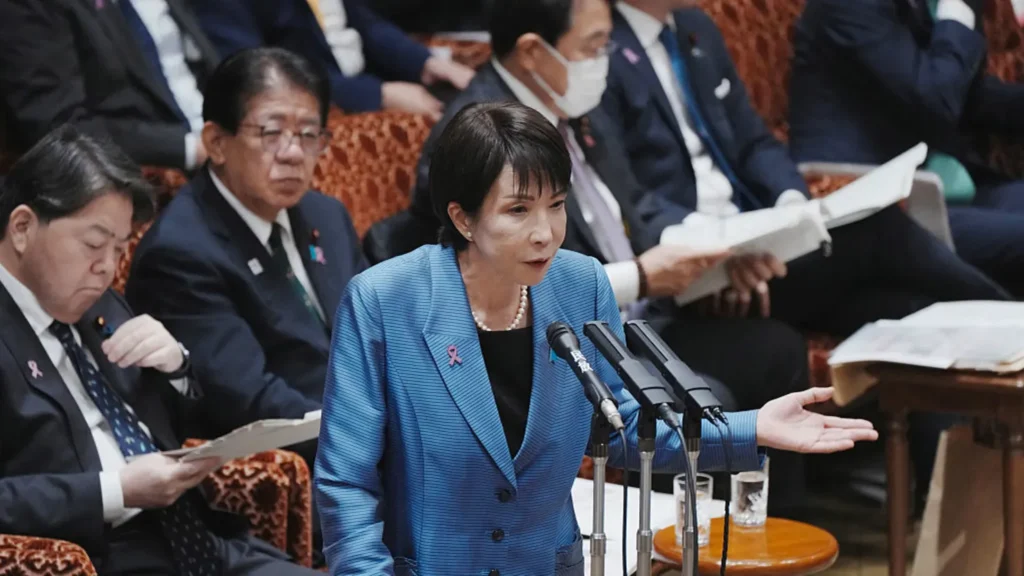
Japan has officially dropped one of the biggest financial bombshells of the year. In a dramatic attempt to revive its slowing economy and rescue households crushed by rising prices, the government has unveiled a huge 135.5 billion dollar stimulus package. This is Japan’s largest rescue plan since the pandemic—and it’s already sending shockwaves through markets, politics, and global analysts.
From soaring inflation to rising defense threats, Japan is throwing serious money at some serious problems. Here’s the full breakdown of what this enormous package means, why the government pushed it through now, and how it might reshape the country’s future.
Japan Reveals a Massive 21.3 Trillion Yen Stimulus Plan
Japan’s cabinet approved a 21.3 trillion yen package designed around three major pillars:
- Tackling rising prices
- Strengthening the economy
- Expanding defense and diplomatic power
This plan is not subtle. It’s not cautious. It’s a bold, all-in gamble to stabilize the nation at a time when global and domestic pressures are reaching new heights.
And for Prime Minister Sanae Takaichi, this is her biggest move yet.
How Japan Plans to Use the $135 Billion
Major Relief for Struggling Households
Inflation has been squeezing millions of Japanese consumers, especially when it comes to electricity, gas, and fuel. To lower the pain, the government is rolling out:
- Larger financial grants to local governments
- Direct subsidies for electricity and gas bills
- Household support worth about 7,000 yen over three months starting January
- Complete elimination of gasoline taxes
This is designed to put money back into people’s pockets—and fast.
Powering Up Domestic Strength
Japan wants more than temporary relief. It wants long-term economic muscle. To get there, the package includes:
- A new 10-year fund to supercharge Japan’s shipbuilding industry
- Support for industrial projects that help stimulate growth
- Funding to help revitalize strategic sectors
Shipbuilding in particular has become a national priority as Japan works to compete in global trade and strengthen maritime capability.
A Dramatic Expansion of Defense Spending
Japan is accelerating its shift toward a stronger national defense strategy. Part of the stimulus will help push Japan’s military spending to 2 percent of GDP by 2027, a major jump from historical levels.
This move signals Japan’s readiness to respond to rising geopolitical risks in the Indo-Pacific.
How Will Japan Pay for This Massive Plan?
Prime Minister Takaichi insists the government will fund most of this package using its revenue. The remaining shortfall will come from issuing government bonds—but she stressed that the amount will be lower than last year’s enormous 42.1 trillion yen issuance.
The message: Japan wants to stimulate the economy without blowing up its debt… even though markets are still nervous.
Financial Markets Immediately React — And Not Calmly
Japan’s bond market has already been under tremendous pressure. Yields on the benchmark 10-year government bond surged to 1.817 percent, the highest level since 2008, before easing slightly.
Analysts warned that this new stimulus could intensify fears of increased borrowing. Jesper Koll of Monex Group said the move would likely spook the bond market even further.
With rising yields and lingering uncertainty, investors will be watching closely.
Political Stakes Are Higher Than Ever
Japan’s political landscape adds fuel to the drama.
The ruling Liberal Democratic Party does not hold a majority on its own. Instead, it relies on support from the Japan Innovation Party. Together, they hold 231 seats, still two short of a full majority in the 465-seat Lower House.
Despite this, the government insists it will work with opposition lawmakers to compile and pass a supplementary budget before the end of the year. Success could define Takaichi’s leadership. Failure could trigger political turmoil.
What This Stimulus Means for Japan’s Future
This isn’t just a short-term relief package. It’s a strategic, high-risk, high-impact blueprint for Japan’s next decade. Here’s what to watch.
Will the Stimulus Tame Inflation?
Utility discounts and gasoline tax cuts will help immediately, but Japan’s deeper inflation issues depend on global prices and domestic consumption. The government’s challenge is preventing relief from turning into longer-term debt pressure.
Can Japan Kick-Start Real Growth?
Investing in shipbuilding and strategic industries could pay off—but only if businesses respond and consumers regain confidence.
Will Defense Expansion Change Regional Dynamics?
Japan’s commitment to raising defense spending will reshape its international role and strengthen alliances. This could be one of the most consequential military shifts in modern Japanese history.
Can Bond Markets Handle the Pressure?
Rising yields reveal growing market anxiety. If bond investors panic, borrowing costs will rise, and the stimulus could become even more expensive than planned.
Japan’s 135 billion dollar economic package is far more than a financial measure—it’s a statement. A signal that the government is willing to take aggressive action to protect consumers, stimulate growth, and strengthen national defense, all while navigating political uncertainty and market pressure.
This is one of Japan’s boldest economic moves in years, and its success or failure will shape the country’s trajectory for the entire decade. Whether this becomes a turning point or a trigger for new challenges depends on what happens next.
One thing is certain: Japan just changed the global economic conversation.