


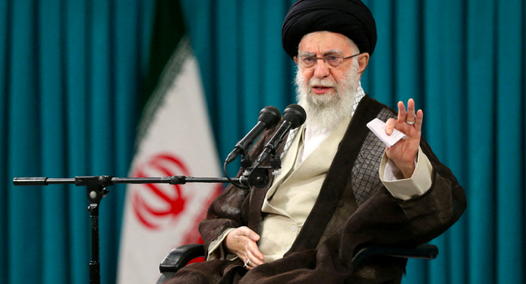
With regional conflicts intensifying and nuclear fears mounting, Israeli officials have significantly escalated their rhetoric against Tehran. Speaking during a security briefing in Tel Aviv on June 21, Israeli Defense Minister Yoav Gallant drew a parallel between Iran’s Supreme Leader Ali Khamenei and Saddam Hussein—the Iraqi leader who lost power after the 2003 U.S.-led invasion and was subsequently executed for crimes against humanity.
“Our message to the regime in Tehran, especially to Khamenei, is that his regime could meet the same tragic fate as other tyrants who threatened Israel and destabilized the region,” Gallant stated, according to reporting from The Jerusalem Post and Reuters.
Gallant’s remarks underscore the growing animosity between Israel and Iran—and draw a direct line between contemporary threats and the outcomes of past Middle East autocrats such as Saddam Hussein and Libya’s Muammar Gaddafi.
Iran’s Nuclear Program: A Point of No Return?
Persistent Concerns Over Uranium Enrichment
These latest statements follow fresh reports from the International Atomic Energy Agency (IAEA) that Iran’s uranium enrichment activities have reached new milestones, with stockpiles now far exceeding the limits set under the 2015 nuclear deal. Israeli leaders consider Iran’s nuclear ambitions an existential threat, with Prime Minister Benjamin Netanyahu repeatedly warning that Israel will stop Iran from obtaining nuclear weapons “by any means necessary.”
Gallant echoed these concerns, saying, “We are committed to preventing a nuclear Iran. The price of inaction could be catastrophic—not only for Israel but for global security.”
Pressure Mounting from the International Community
The United States and European powers, including France, the UK, and Germany, have all called on Tehran to return to full compliance with the Joint Comprehensive Plan of Action (JCPOA), which Iran has violated since the U.S. withdrawal in 2018. Some experts, including Dr. Raz Zimmt of the Institute for National Security Studies (INSS), warn that “continued intransigence from Iran will only increase its isolation and could trigger an escalatory spiral in the region.”
Iran Responds: Defiant Rhetoric and Calls for Diplomacy
In Tehran, government officials swiftly condemned Gallant’s comments, dismissing them as “psychological warfare.” Foreign Ministry spokesperson Nasser Kanaani said Friday, “Such threats only reveal the nervousness of Israeli leaders and will not deter the Iranian nation from pursuing its sovereign rights.” He reiterated Iran’s claim that its nuclear activities are for peaceful purposes.
At the same time, President Ebrahim Raisi has expressed readiness for “dialogue with respectful partners,” but he has placed the blame for rising tensions squarely on the United States and its allies.Middle East,
Regional and Global Implications
Cross-Border Proxies and the Shadow War
The rhetoric between Jerusalem and Tehran is not limited to words; it resonates across simmering conflicts in Lebanon, Syria, Gaza, and Yemen—where Iranian-backed groups such as Hezbollah and the Houthis have clashed with Israeli forces or their allies. Analysts warn that any direct confrontation between Israel and Iran could quickly spiral into a broader regional war.
“Given the interconnectedness of proxy militias and the stakes involved, a spark anywhere from the Mediterranean to the Persian Gulf could ignite a crisis beyond control,” said Dr. Sanam Vakil, Middle East policy expert at Chatham House.
International Stakes and Diplomatic Efforts
With the U.S. presidential election looming, stability in the Middle East remains a top concern for Washington and European capitals. White House National Security Advisor Jake Sullivan has urged all parties to “exercise maximum restraint” and reaffirmed the U.S. commitment to Israel’s security.
Meanwhile, backdoor diplomatic contacts reportedly continue between Iran and Western negotiators in an attempt to de-escalate tensions and revive some form of nuclear accord, though prospects remain uncertain.
Lessons from Saddam Hussein’s Downfall
Historical Parallels and Key Warnings
Minister Gallant’s direct reference to Saddam Hussein is both a warning and a strategic message. Saddam’s regime, which threatened Israel with Scud missiles in 1991 and pursued nuclear weapons in the 1980s, ultimately collapsed under the weight of international sanctions and military intervention.
Gallant cited this precedent: “Tyrants who challenge the international order and threaten regional stability will be held accountable. History has shown that oppressive regimes—even those that seem invincible—can fall.”
Some regional analysts caution that comparisons to Saddam might also fuel Iranian regime rhetoric, portraying Iran as under existential danger and rallying nationalist sentiment. “This narrative can work both ways: it serves as a warning, but it may also reinforce the Iranian leadership’s resolve,” noted Dr. Raz Zimmt.