

The New Gold Rush of Medicine
The global weight-loss drug market is exploding — and it’s not slowing down anytime soon. What began as a quiet revolution in diabetes care has turned into a full-blown medical gold rush, reshaping everything from healthcare spending to dinner conversations.
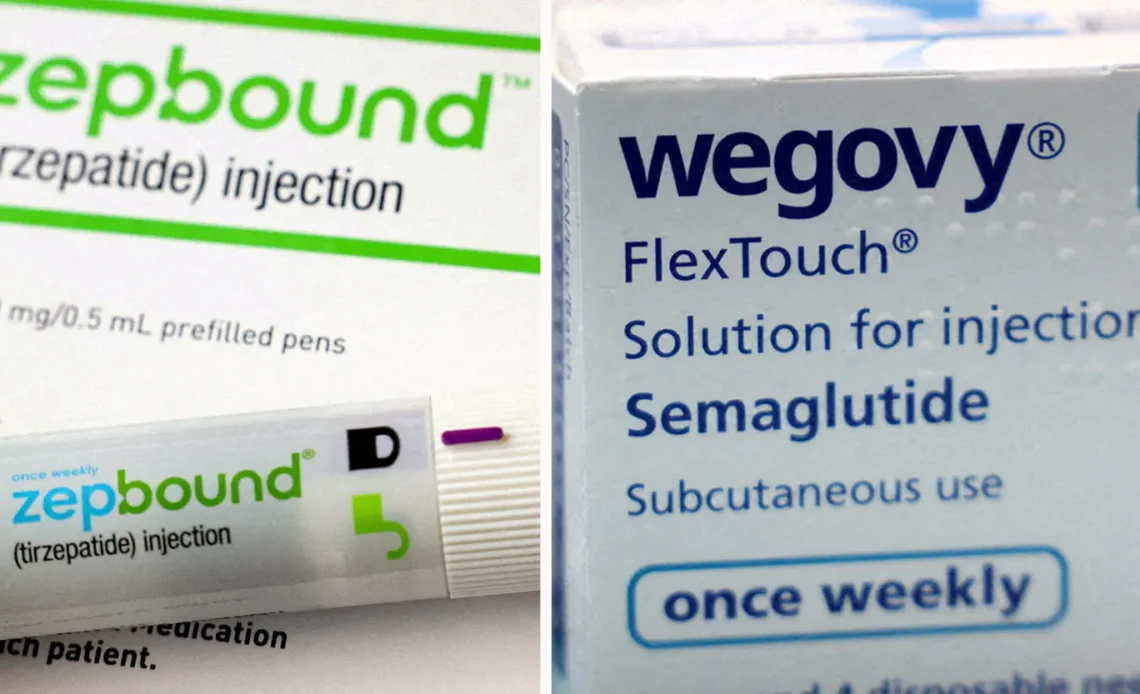
Two pharmaceutical powerhouses, Eli Lilly and Novo Nordisk, are leading the charge with their wildly popular weekly injections. These drugs have become household names, transforming lives and fueling a new era of weight management. But this story is far from over — because a new generation of treatments is already on the horizon, and the stakes couldn’t be higher.
Analysts now predict the global market could hit $100 billion by the end of the decade. And with every major drugmaker racing to join the frenzy, the next few years could define the future of modern medicine.
The Titans Fighting for Control
Eli Lilly and Novo Nordisk are locked in a fierce battle for dominance. Both companies are expanding production, testing new uses for their blockbuster injections, and racing to release a more convenient version — the pill that could change everything.
Demand for their treatments remains sky-high. Eli Lilly revealed that its drugs now account for nearly 60 percent of all prescriptions in the injectable weight-loss and diabetes category — a staggering figure that highlights just how fast the market is expanding.
But this isn’t a two-player game anymore. Behind the scenes, a wave of biotech challengers and pharmaceutical giants are rushing to catch up, betting billions that they can carve out a share of the booming industry.
A Market That Could Redefine Health
Why the frenzy? Because these drugs don’t just help patients lose weight — they’re redefining what’s possible in preventive medicine. Early studies suggest they may reduce risks for heart disease, sleep apnea, and kidney problems, offering life-changing benefits beyond weight loss.
McKinsey estimates that between 25 million and 50 million Americans could be using GLP-1-based treatments by 2030. That’s not just a medical breakthrough — it’s a lifestyle shift.
Pills, Prices, and the Power Struggle Ahead
Despite all the buzz, one massive barrier remains: cost. These drugs can run nearly $1,000 a month before rebates, and many insurance plans — including Medicare — still refuse to cover them for weight loss.
That means millions of patients who want access are left on the sidelines. Eli Lilly and Novo Nordisk have introduced discount programs to bridge the gap, while more employers are beginning to offer coverage as evidence grows of the drugs’ wider health benefits.
Still, many people are turning to cheap, copycat versions — unregulated compounded formulas that are cheaper but riskier. Both companies have begun cracking down on unauthorized sellers, warning that fake or compounded products could pose serious safety risks.
The ultimate question now: who will win the fight over access and affordability?
The Next Big Leap: Pills That Replace Shots
The next frontier is already taking shape — and it’s all about convenience. Both companies are testing pill versions of their injectable drugs, which could open the market to millions more patients who prefer tablets over needles.
If successful, these pills could take the industry to a whole new level, making weight-loss treatments as routine as taking vitamins. Smaller biotech firms are betting everything on this shift, hoping to launch their own oral or next-generation drugs before the giants lock down the space.
The $100 Billion Question
With soaring demand, global competition, and life-changing results, the weight-loss drug boom has become one of the biggest stories in modern healthcare. Yet beneath the hype lie unanswered questions that could shape its future:
- Will insurers finally make these drugs affordable for the masses?
- Can new pills match the effectiveness of injections?
- Will cheaper generics or biosimilars appear soon?
- And how long will patients need to stay on these drugs to keep the weight off?
What’s clear is that this market is only getting started — and the next wave could be even bigger than anyone expects.
What’s Coming Next
Expect to see:
- More convenient pills replacing weekly injections.
- Global expansion, especially in Asia and the Middle East.
- New uses for conditions like heart and kidney disease.
- Tougher regulations to curb copycat versions.
- Generics and biosimilars driving prices down later in the decade.
As these shifts unfold, the winners will be those who can balance innovation, access, and affordability — because the demand for effective, science-backed weight-loss solutions isn’t fading anytime soon.
The Bottom Line
The world’s appetite for powerful weight-loss drugs is only growing. What started as a medical breakthrough is now an unstoppable business revolution.
From billion-dollar earnings calls to patients posting dramatic before-and-after photos online, the message is clear: the future of health and wellness is being rewritten right now — and the next generation of treatments could transform everything we know about weight loss, longevity, and even the global economy.
