

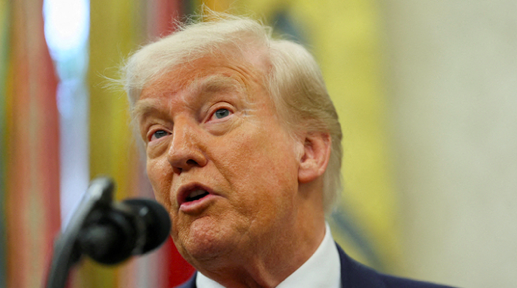
On the campaign trail and in recent interviews, Trump doubled down on his trade policy legacy, vowing to impose up to 60% tariffs on certain Chinese goods and increase duties on steel and aluminum to curb what he calls unfair competition. While the stated goal is to boost domestic manufacturing and safeguard American jobs, economists and trade specialists say the real cost burden could fall on U.S. consumers and industries reliant on these metals.
“Tariffs are essentially a tax on imported goods,” said Sarah O’Neill, senior economist at the Peterson Institute for International Economics. “Industries that use steel and aluminum in the U.S.—automotive, construction, canned foods—are left paying higher prices, and those costs typically get passed on to consumers.”
How Tariffs Ripple Through the Economy
Impact on Automobiles
The automotive sector is among the largest consumers of steel and aluminum. According to data from the American Automotive Policy Council, the typical passenger vehicle contains about one ton of steel and roughly 400 pounds of aluminum. The 2018 tariffs imposed by the Trump administration contributed to an average cost increase of $300 per vehicle, the Center for Automotive Research reported.
“If these tariffs return or increase, manufacturers will face more expensive inputs and may be forced to raise sticker prices or cut domestic production,” said David Silver, an analyst with J.D. Power.
Grocery and Beverage Prices
Aluminum is widely used for producing canned foods and beverages. The Can Manufacturers Institute estimates that the 10% aluminum tariff imposed in 2018 added approximately a fraction of a cent per can, translating to over $1.7 billion in extra costs across the industry in 2023. For families, this means potentially higher grocery bills—especially for staples like soup, vegetables, and soft drinks.
Housing and Infrastructure
Construction firms use steel extensively for beams, rebar, and structural reinforcements. The National Association of Home Builders warned that tariffs have previously contributed to higher costs for homebuilders and, by extension, homebuyers seeking new construction.
Industry Voices: Mixed Responses
The U.S. steel industry, including major producers like U.S. Steel and Nucor, has expressed strong support for continued or expanded tariffs. “Leveling the playing field is critical for American steel jobs and long-term investment,” U.S. Steel CEO David Burritt said in a May statement. Domestic aluminum producers echo this sentiment, advocating for policies they say are essential to remain competitive with subsidized foreign rivals.
However, trade groups representing manufacturers, retailers, and farmers are urging caution. The National Retail Federation released a statement warning that “higher input costs ultimately mean fewer jobs, slower retail growth, and increased prices for American families.”
Potential for Inflation and Market Instability
With inflation still a top concern among U.S. voters, analysts caution that new or higher tariffs could fuel further price increases. “Tariffs can be inflationary, especially when they impact sectors closely tied to everyday spending,” said Shai Akabas, Director of Economic Policy at the Bipartisan Policy Center.
In addition to direct cost increases, there are risks of retaliation by trade partners and disruption to supply chains, further destabilizing markets. During the last round of tariffs in 2018–2019, several U.S. manufacturers reported delayed imports and material shortages.
International and Political Reactions
The European Union and Canada, previously subject to U.S. steel and aluminum tariffs, criticized the policy as protectionist and threatened countermeasures. Trade experts warn a fresh wave of tariffs could reignite global trade tensions amid already fragile supply chains.
On Capitol Hill, opinion is divided. Some lawmakers in steel-producing states back tougher trade action, while others—especially from agricultural and manufacturing regions—warn of the risk to U.S. exports should trading partners retaliate.
What’s Next? Key Takeaways for American Households
As the 2024 election approaches, tariff policy remains a flashpoint—with the possibility of higher prices on many consumer staples hanging in the balance. While the intent may be to strengthen domestic industries, the broader economic and consumer impact could be far-reaching.
