

Telcos Are Evolving—From ‘Dumb Pipes’ to Tech Innovators
For years, telecommunications companies, or “telcos,” have been seen as the unseen workhorses of the internet, quietly sending data back and forth across the globe. But as technology evolves, so do the ambitions of these companies. At the recent Mobile World Congress in Barcelona, global telcos made it clear: they are on a mission to reinvent themselves. The goal? To transition from being mere “dumb pipes” to full-fledged tech players in a world powered by artificial intelligence, 5G, 6G networks, satellite internet, and smart cities.
This shift is all about growth and adaptation in a rapidly changing technological landscape. Telcos, traditionally known for providing mobile and internet connectivity, now want to become techcos—companies that not only deliver data but also innovate with cutting-edge digital services. Let’s dive into how telcos are transforming and what this means for the future.
From “Dumb Pipes” to Digital Powerhouses: The Shift Is On
Traditionally, the role of telcos has been to provide the essential infrastructure for mobile and internet connectivity. However, this role often left them as background players in the tech world. But as new technologies emerge, these companies want to change that perception.
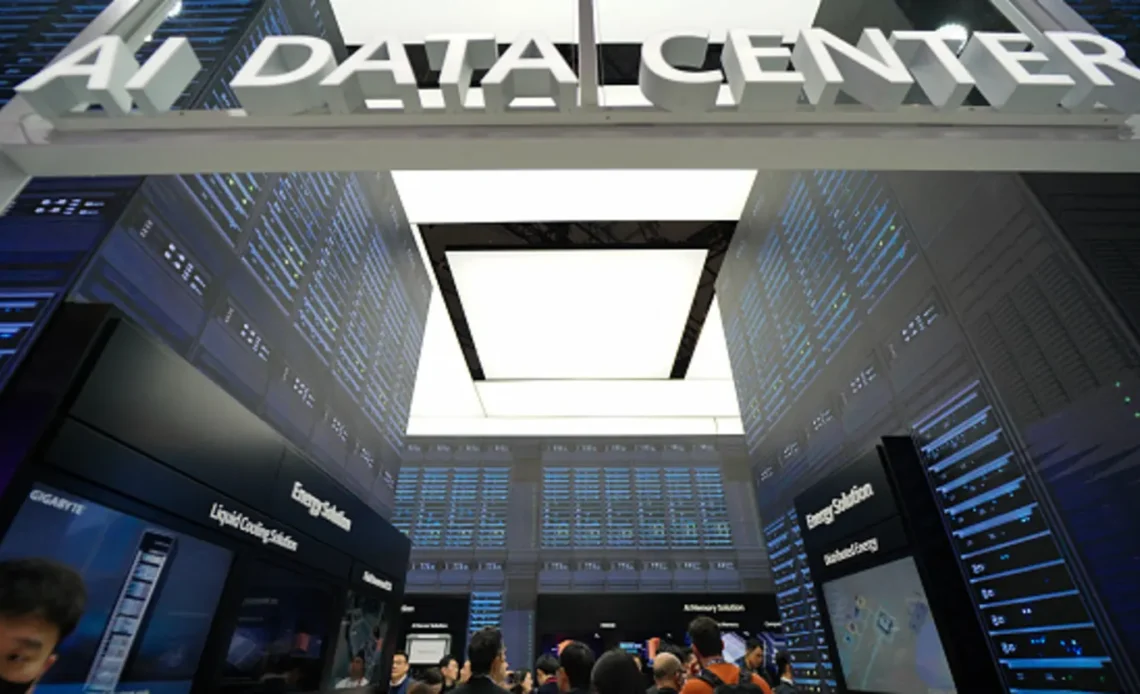
At the Mobile World Congress in Barcelona, leading figures from major telcos discussed their ambitious plans to move beyond their traditional roles. The ultimate goal? To become “techcos”—telecom companies that operate like tech giants, offering a wider range of services powered by next-gen technologies like AI, smart cities, and next-generation networks.
The Push Toward AI and Next-Gen Networks
Artificial Intelligence (AI) is one of the key drivers of this shift. Telcos are investing heavily in AI technologies to streamline operations, improve customer experiences, and create innovative new services. From optimizing network traffic to predicting customer behavior, AI is enabling telcos to provide smarter, faster, and more efficient services.
In addition to AI, the race is on to roll out 5G and 6G networks. These ultra-fast networks are expected to unlock new possibilities in fields like healthcare, autonomous vehicles, and entertainment. For telcos, offering next-gen networks is a way to diversify and increase revenue, while also keeping up with the competition in the tech world.
Satellites and Smart Cities: The Future of Connectivity
Some of the most exciting innovations in telecom are happening outside of traditional networks. Satellite internet is one of the key areas where telcos are investing heavily. For example, Makoto Takahashi, president and CEO of KDDI, a major Japanese telecom company, unveiled plans for a smart city called Takanawa Gateway City in Tokyo. KDDI is also partnering with Elon Musk’s Starlink to provide direct-to-cell satellite internet connectivity, expanding access to the internet in remote and underserved areas.
Satellite internet is a game-changer, especially for rural areas that traditional cable networks often overlook. With Starlink’s satellite-powered internet service, these areas can gain access to fast, reliable connectivity, allowing for seamless communication, online education, and remote work opportunities.
Moreover, the concept of smart cities is gaining traction. Telcos are now envisioning cities where everything is interconnected—traffic lights, energy usage, public transport, and more—creating efficiencies and improving urban living. The future of cities, powered by telcos and advanced technology, could mean smarter, safer, and more sustainable urban environments.
Expanding Beyond Connectivity: The Future of Telecom
It’s no longer just about providing phone calls and internet access. Many telcos are now positioning themselves as platform companies, offering a range of digital services. Ralph Mupita, CEO of MTN, Africa’s largest mobile operator, shared how the company is expanding its reach into services like financial technology (fintech), e-commerce, insurance, and remittances.
MTN’s efforts to become a techcos go beyond simply offering connectivity. By branching out into media streaming and financial services, MTN is aiming to provide a one-stop digital solution for its customers. Their goal is to create platforms that integrate connectivity with online payments, media consumption, and financial management, making everyday tasks more convenient for their customers.
Why Telcos Are Changing the Game
For telcos, evolving into tech companies is about survival and growth in a highly competitive market. As consumers demand more than just basic connectivity, telcos must diversify their services to meet the new needs of digital life. By embracing technologies like AI, 5G, and satellite internet, telcos can become more integrated in consumers’ lives, offering a comprehensive digital ecosystem.
For example, AI can enable personalized recommendations, automated customer service, and even predictive maintenance to prevent network outages. The potential to leverage AI and other technologies for growth is immense, and telcos are eager to tap into this market to stay relevant in the face of fierce competition from tech giants like Google, Amazon, and Apple.
Challenges Ahead: What’s Stopping Telcos from Becoming Full-Tech Players?
The road to becoming tech players isn’t without its challenges. Telcos are still struggling with legacy systems, expensive infrastructure investments, and a lack of agility compared to pure tech companies. Shifting from a traditional telecom model to a tech-driven business model requires not only major investments but also cultural and operational shifts.
Moreover, telcos must navigate complex regulatory environments and handle the integration of new technologies, such as 5G, without disrupting existing services. It’s a delicate balance—how to innovate while maintaining high levels of customer satisfaction and regulatory compliance.
Looking Ahead: What’s Next for Telcos?
The future of telecom is exciting. As telcos continue to innovate and embrace new technologies, the lines between traditional telecom companies and tech companies will continue to blur. We are entering an era where 5G, AI, satellite internet, and smart cities will all be interconnected, creating endless opportunities for growth and new services.
Telcos that successfully transition into techcos will not only stay relevant but will also become key players in shaping the digital future. The race is on, and the world is watching as these companies reimagine their role in our increasingly connected world.
The New Era of Telcos
The days of telcos being merely data delivery systems are quickly coming to an end. With AI, 5G, satellite internet, and other cutting-edge technologies, telcos are positioning themselves as tech players, ready to lead in the digital age. Whether it’s building smart cities or expanding into fintech, the goal is clear: telcos want to be more than just pipes.
The question now is: which telco will come out on top as the next tech giant? Only time will tell.
