

China Strikes a New Tone in U.S. Relations Amid Trade Tensions
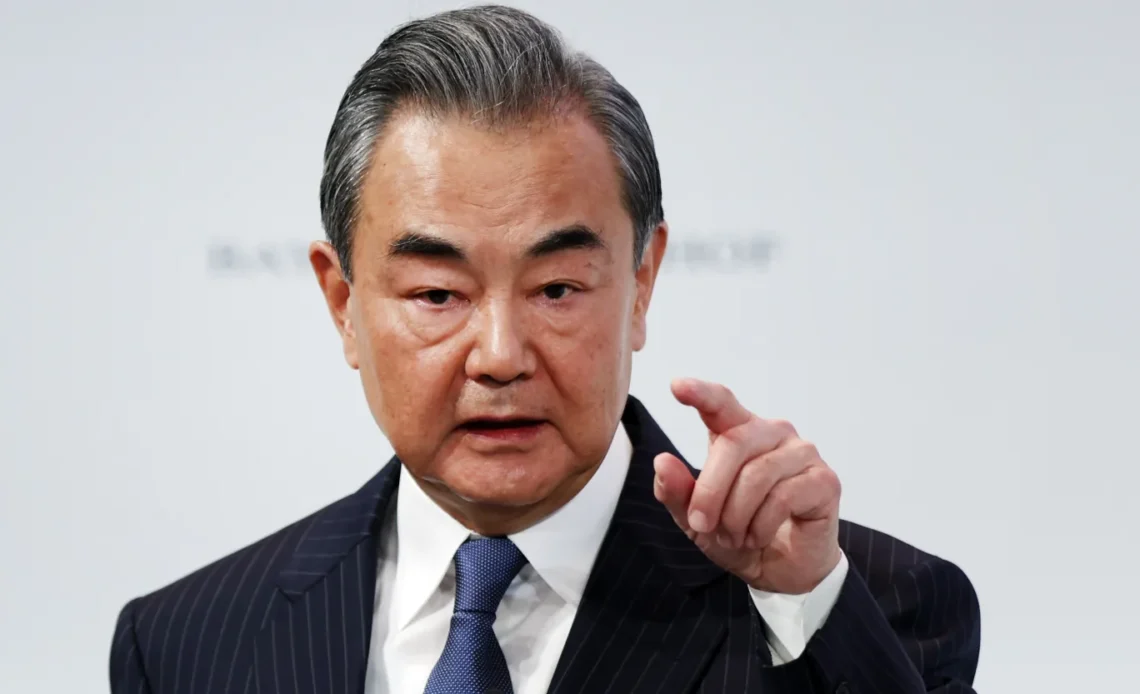
In a surprising shift, China’s Minister of Foreign Affairs, Wang Yi, took a more diplomatic approach during a press conference on Friday, calling for “peaceful coexistence” with the United States, despite ongoing tensions between the two nations. His comments come at a time when the U.S. and China have been embroiled in a trade war, with each side imposing tariffs on the other’s goods.
While China has strongly opposed U.S. tariffs, Wang Yi’s words suggested that both countries, despite their differences, should aim for mutual cooperation, laying the groundwork for a less confrontational future. Let’s break down what Wang Yi said, why it matters, and what it could mean for the future of U.S.-China relations.
Wang Yi’s Key Remarks: A Call for Cooperation Over Conflict
During the press conference, which took place at China’s annual parliamentary meeting, Wang Yi addressed the strained U.S.-China relations. While acknowledging the deep differences between the two countries, he emphasized the importance of peaceful coexistence, especially given their shared role in the global landscape.
No More Tariffs, No More Hostility
One of Wang Yi’s main points was his strong stance against the imposition of arbitrary tariffs. He made it clear that China believes tariffs should not be a tool for hostility, but rather an obstacle to the growth of both nations. This remark comes as the U.S. has repeatedly imposed tariffs on Chinese goods, a tactic that Beijing has strongly opposed.
Wang urged the U.S. to avoid retaliating with hostility and suggested that both nations should find ways to engage in constructive cooperation rather than escalate the conflict. According to Wang, “It is fully possible for China and the U.S. to become partners helping each other succeed.” This comment shows that China is open to a more cooperative relationship, one that could benefit both countries in the long run.
The Trade War Continues: China’s Response to U.S. Tariffs
Despite Wang Yi’s conciliatory tone, the trade war between the U.S. and China is far from over. Just days before this press conference, President Donald Trump imposed an additional 10% tariff on Chinese goods, escalating the ongoing trade dispute. In retaliation, China hit back by imposing targeted tariffs on U.S. agricultural products and introducing restrictions on several American companies operating in China.
China’s Tough Talk: Ready for War if Necessary
China’s Ministry of Foreign Affairs had earlier adopted a more aggressive stance. In a strongly worded post on X (formerly Twitter), the Chinese Embassy in the U.S. made it clear that if the U.S. wanted to “fight,” China was prepared. The post stated, “If war is what the U.S. wants, be it a tariff war, a trade war, or any other type of war, we’re ready to fight till the end.”
While this message might seem aggressive, it was likely meant to send a clear signal that China is not going to back down easily in the trade war. However, Wang Yi’s comments at the press conference presented a stark contrast to this earlier language, suggesting a more diplomatic approach moving forward.
What Does Wang Yi’s Message Mean for U.S.-China Relations?
Wang Yi’s words suggest that despite rising tensions, there’s still hope for dialogue and cooperation between the U.S. and China. His call for “peaceful coexistence” indicates that China is looking for a way to balance its differences with the U.S. without escalating the conflict further. This is particularly important given the global economic implications of a prolonged trade war between two of the world’s largest economies.
Shared Interests and Long-Term Cooperation
Wang emphasized the extensive common interests between the U.S. and China, including trade, security, and global stability. He pointed out that both countries are crucial players in the world and that their success is intertwined. This shared interest creates an opportunity for future cooperation, even in the midst of current tensions.
China’s minister highlighted that while the U.S. and China have their differences, both countries are part of a bigger global picture. He pointed out that it is not only possible but necessary for them to “become partners helping each other succeed.”
Could There Be a Shift in U.S.-China Relations?
Wang Yi’s comments, which come after a period of aggressive rhetoric from both sides, may signal a shift toward a more balanced approach to diplomacy. With both countries recognizing the importance of maintaining a stable relationship, there may be an opportunity for discussions to address the ongoing trade dispute and other issues.
It’s also worth noting that while Wang Yi calls for peaceful coexistence, there’s still significant room for negotiation and adjustment in trade policies. China’s foreign minister urged that both sides avoid the escalation of hostilities and work toward finding common ground.
A Possible Path Forward: Dialogues and Talks
Wang Wentao, China’s Minister of Commerce, indicated that China is still open to negotiations with the U.S. on trade. This is an important signal that, despite the ongoing trade war, China is willing to engage in talks to resolve the issue amicably.
What’s Next? The Road to De-Escalation
It’s clear that tensions between the U.S. and China are unlikely to disappear overnight, but Wang Yi’s recent comments suggest that both countries could potentially find a way to de-escalate the trade war through dialogue and cooperation.
With President Trump’s tough stance on tariffs and China’s desire to protect its interests, the next steps in the relationship will likely depend on how both sides approach their differences. Wang Yi’s call for peaceful coexistence may be an indication that both countries could be moving toward a more diplomatic resolution, though time will tell if this approach will hold.
Hope for a Balanced Future, but Challenges Remain
While the ongoing trade war between the U.S. and China continues to create challenges, Wang Yi’s remarks offer a glimmer of hope that the two countries can move beyond their differences. His call for peaceful coexistence underscores the importance of cooperation and mutual success, even in the face of economic and political disagreements.
Ultimately, the future of U.S.-China relations will depend on both sides being willing to engage in constructive talks. Wang Yi’s speech shows that while the road ahead may be rocky, there is still a chance for cooperation and collaboration in the long run.
