

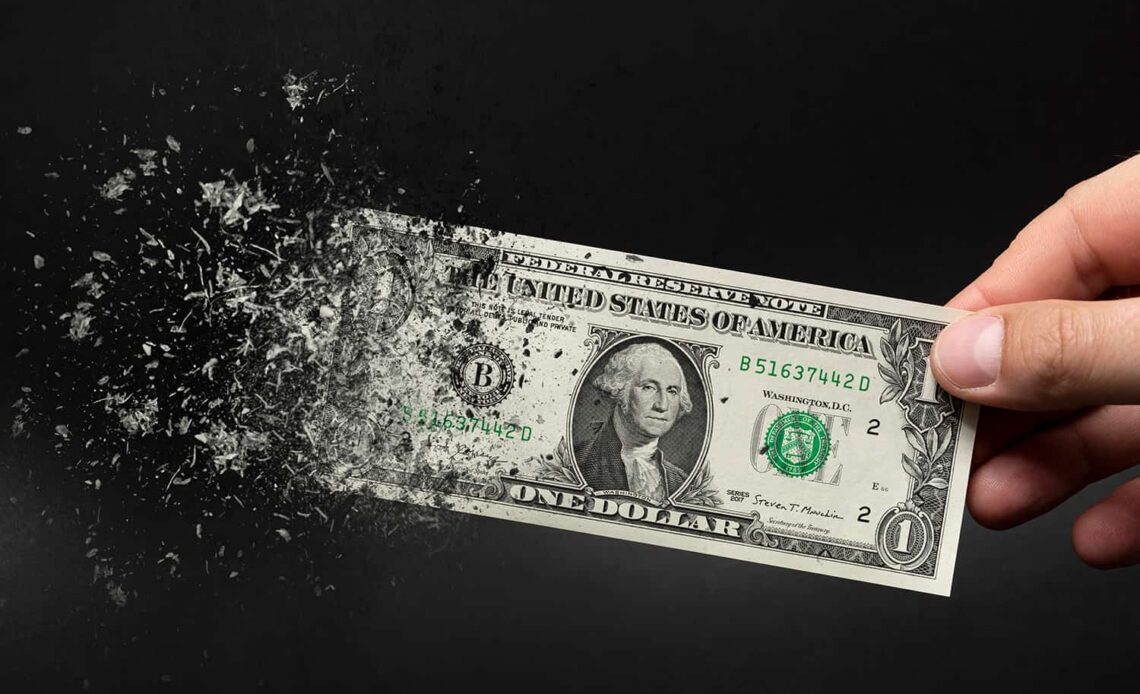
As high-interest rates begin to take a toll on US companies, experts are warning of a potential wave of corporate defaults and bankruptcies that could increase the likelihood of a recession. Here are key points from the situation:
Corporate Bankruptcies on the Rise:
- The impact of high-interest rates on businesses and consumers is leading to a wave of corporate defaults and bankruptcies in the United States.
- According to S&P Global, 459 companies had filed for bankruptcy by the end of August, surpassing the total number of bankruptcy filings recorded in both 2021 and 2022.
- This trend is not limited to the US, as global corporate debt defaults are also on the rise, reflecting the impact of higher interest rates worldwide.
Global Trends in Corporate Debt Defaults:
- Globally, there were 107 corporate debt defaults in August, marking the highest monthly total since 2009, according to S&P Global data.
- Rising interest rates are putting pressure on corporate balance sheets, leading to increased borrowing costs for many firms.
Borrowing Costs Soar:
- Collin Martin, a director and fixed-income strategist at Charles Schwab, estimates that borrowing costs for some companies have doubled or even tripled in 2023 compared to previous years.
- The effective yields for below-investment grade corporate debt have reached 9%, according to the ICE BofA US High Yield Index.
- The yield on the 10-year US Treasury has also risen, surpassing 4.8%, its highest level in 16 years.
Impact on Corporate Profits:
- Higher borrowing costs mean that corporations must issue debt with significantly higher yields, which affects their earnings and corporate profits, especially in an environment with slower revenues.
- This situation is particularly challenging for “zombie firms” that lack the cash to service their debt. These companies survived in a low-interest rate environment but face difficulties in the current higher interest rate regime.
Recession Concerns:
- Fitch Ratings predicts that defaults of high-yield bonds could reach 4.5%-5% by the end of 2023, more than six times the 0.7% default rate in 2021.
- Charles Schwab estimates that US corporate defaults and bankruptcies are likely to peak by the end of the first quarter of 2024.
- The rise in corporate defaults and bankruptcies adds to concerns about potential headwinds that could push the US economy into a recession.
- Companies dealing with financial distress may reduce their workforces, negatively impacting employment. Additionally, it could affect asset prices, including high-yield bonds, bank loans, and potentially stock prices.
Other Economic Challenges:
- Various other factors are contributing to concerns about economic slowdown, including consumers depleting their pandemic-era savings, the resumption of student loan payments, and rising bond yields leading to increased borrowing costs across the economy.
- The yield curve, historically seen as a recession indicator, has started to de-invert, raising concerns of a potential near-term recession.
In conclusion, the combination of rising corporate defaults and bankruptcies, along with other economic challenges, has raised concerns about the resilience of the US economy and the possibility of a recession in the near future.
